A comprehensive guide on how to select the right goat based on your specific purpose, whether for companionship, milk, fiber, or meat.
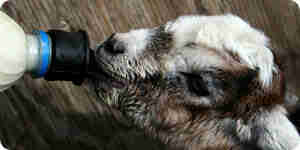
Before you start choosing a goat, first decide why you want one. Do you want it as a companion, for its milk, for its fiber, or for its meat? The tips for choosing the best goat will depend entirely on your purpose.
Goats as Companions
Gone are the days when goats were kept exclusively on farms for milk. Today, you can keep a goat as a household pet. These farm animals are intelligent, especially those bred specifically for companionship.
The first step in choosing a pet goat is to ensure it is neutered. Non-neutered goats, particularly males, can become very aggressive and difficult to control. It is much better to get a neutered goat for a temperament ideal for companionship.
You may also want to consider a miniature version of the goat. It can be challenging to care for a full-sized goat as a pet. Today, breeders cross large goats with pygmy goats to produce smaller varieties, and pet stores often offer mini versions of popular breeds like LaMancha and Nubian.
Goats for Milk
Goat milk is a great alternative to cow's milk because it contains less lactose. People suffering from lactose intolerance can certainly benefit from drinking it.
When choosing a dairy goat, you can decide based on either the breed or its physical appearance. Nubian goats are among the best milk producers and can yield large quantities of milk. Nigerian Dwarf goats are also a great choice, as this breed is valued for milking. Alpine goats can be excellent milk producers as well, though they can sometimes be aggressive.
Instead of relying solely on the breed, you can also select a dairy goat based on its conformation and appearance. The best milk-producing goats have a strong bone structure. Check the udder as well; a well-attached udder without any scarring or bumps is a strong indicator that the goat will be a great milk producer.
Goats for Fiber
You can enjoy wool, cashmere, and mohair from goats—provided you choose the right breed.
Angora goats are typically the top choice if you want a goat for its fiber. They produce silky, beautiful wool that can be used to make stylish and high-end garments. However, be prepared to give this goat attentive care, as it is more delicate than other breeds.
Goats for Meat
The South African Boer is the premier goat breed if you want meat. This breed is known for its high meat yield because it grows rapidly and has strong immunity to common goat diseases.
You can also consider other breeds, such as Myotonic, Spanish, West African Dwarf, Kiko, and Brush. However, do not choose just any animal from these breeds; look for a goat that appears heavy-set and wide. Its back should be thick and flat, and its body should be blocky and square.
As you can see, goats serve many purposes—from providing milk and meat to producing wool. The most important step is to decide what you want to use the goat for, whether as a companion, a milk producer, a meat provider, or a fiber source. Whatever your reason for getting a goat, make sure the animal is generally healthy, as a healthy goat will serve you well in any role.
How to Choose the Right Goat
A comprehensive guide on how to select the right goat based on your specific purpose, whether for companionship, milk, fiber, or meat.
Before you start choosing a goat, first decide why you want one. Do you want it as a companion, for its milk, for its fiber, or for its meat? The tips for choosing the best goat will depend entirely on your purpose.
Goats as Companions
Gone are the days when goats were kept exclusively on farms for milk. Today, you can keep a goat as a household pet. These farm animals are intelligent, especially those bred specifically for companionship.
The first step in choosing a pet goat is to ensure it is neutered. Non-neutered goats, particularly males, can become very aggressive and difficult to control. It is much better to get a neutered goat for a temperament ideal for companionship.
You may also want to consider a miniature version of the goat. It can be challenging to care for a full-sized goat as a pet. Today, breeders cross large goats with pygmy goats to produce smaller varieties, and pet stores often offer mini versions of popular breeds like LaMancha and Nubian.
Goats for Milk
Goat milk is a great alternative to cow's milk because it contains less lactose. People suffering from lactose intolerance can certainly benefit from drinking it.
When choosing a dairy goat, you can decide based on either the breed or its physical appearance. Nubian goats are among the best milk producers and can yield large quantities of milk. Nigerian Dwarf goats are also a great choice, as this breed is valued for milking. Alpine goats can be excellent milk producers as well, though they can sometimes be aggressive.
Instead of relying solely on the breed, you can also select a dairy goat based on its conformation and appearance. The best milk-producing goats have a strong bone structure. Check the udder as well; a well-attached udder without any scarring or bumps is a strong indicator that the goat will be a great milk producer.
Goats for Fiber
You can enjoy wool, cashmere, and mohair from goats—provided you choose the right breed.
Angora goats are typically the top choice if you want a goat for its fiber. They produce silky, beautiful wool that can be used to make stylish and high-end garments. However, be prepared to give this goat attentive care, as it is more delicate than other breeds.
Goats for Meat
The South African Boer is the premier goat breed if you want meat. This breed is known for its high meat yield because it grows rapidly and has strong immunity to common goat diseases.
You can also consider other breeds, such as Myotonic, Spanish, West African Dwarf, Kiko, and Brush. However, do not choose just any animal from these breeds; look for a goat that appears heavy-set and wide. Its back should be thick and flat, and its body should be blocky and square.
As you can see, goats serve many purposes—from providing milk and meat to producing wool. The most important step is to decide what you want to use the goat for, whether as a companion, a milk producer, a meat provider, or a fiber source. Whatever your reason for getting a goat, make sure the animal is generally healthy, as a healthy goat will serve you well in any role.
How to Choose the Right Goat
By Howtodotips
A comprehensive guide on how to select the right goat based on your specific purpose, whether for companionship, milk, fiber, or meat.