Buying plywood is easy, if you know what to look for
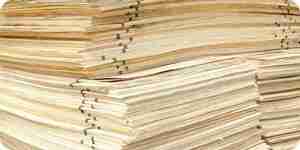
There are many kinds of plywood, each perfect for a particular task. Let's look at all the different ways plywood is made, so you can find exactly the type you need.
Step 1
Plywood is made of layers of thin wood glued together with water-resistant glues perfected in the 1930s, when animal glue was replaced by synthetic resins cured by microwaves. When you buy plywood, you must know what type of plywood you need and what exposure the plywood will face. Exposure 1 can handle very limited exposure to water, while exposure 2 is suitable for dry locations.
Step 2
Choose plywood by how many plies you need. Home construction plywood has three, five, seven, or nine plies. Three-ply is used for most built-in and molded furniture. Five-ply is the most common plywood and is usually used for subflooring, finish flooring, and sheathing. Seven-ply and nine-ply are used by hobbyists for woodworking.
Step 3
Plywood has a two-letter quality rating, one letter for each side. The first letter tells you the grade of the face side, and the second letter tells you the grade of the back side.
- A-grade means a face free of knots.
- B- and C-grades have limited blemishes.
- D-grade can have open holes.
- A-C plywood has one excellent side and one side that could have some blemishes.
- B-C plywood is considered furniture grade and has patches that look like footballs on the surfaces.
- A-B plywood is considered a specialty grade.
- C-D-X plywood is made for exterior use - that's what the X means. The D side may have patches, show some cracks, and have open knot holes.
- T-and-G plywood has a tongue on one side and a groove on the other. This plywood interlocks to spread loads across joints on decks and floors.
Step 4
Plywood is usually sold as a 4-foot by 8-foot sheet in six thicknesses: 5/16-inch, 3/8-inch, 7/16-inch, 1/2-inch, 5/8-inch, and 1 1/8-inch-thick plywood for heavy-duty floors. You can also get 4-by-10-foot sheets for walls. 3/8-inch and 5/8-inch plywood are the most commonly used types and are what you will use most unless you are doing a special project.
Step 5
Use polyurethane glues to fasten plywood to other materials. Polyurethane glues resist the moisture that can destroy the joint. Use construction adhesives for gluing and screwing plywood to joists to avoid squeaks in floors and stairs. To cut plywood, support the wood on sawhorses. Use a circular saw set to a depth that will just cut through the plywood, and cut with the best side down, so the veneer will not be damaged.
Plywood is a multi-use building material. Choosing and buying the plywood you need is easy. Using the best plywood for your project will ensure the best job possible.
http://www.pondlady.com
http://www.gardenersgumbo.com
http://www.xiffi.com
Buy plywood
Buying plywood is easy, if you know what to look for
There are many kinds of plywood, each perfect for a particular task. Let's look at all the different ways plywood is made, so you can find exactly the type you need.
Step 1
Plywood is made of layers of thin wood glued together with water-resistant glues perfected in the 1930s, when animal glue was replaced by synthetic resins cured by microwaves. When you buy plywood, you must know what type of plywood you need and what exposure the plywood will face. Exposure 1 can handle very limited exposure to water, while exposure 2 is suitable for dry locations.
Step 2
Choose plywood by how many plies you need. Home construction plywood has three, five, seven, or nine plies. Three-ply is used for most built-in and molded furniture. Five-ply is the most common plywood and is usually used for subflooring, finish flooring, and sheathing. Seven-ply and nine-ply are used by hobbyists for woodworking.
Step 3
Plywood has a two-letter quality rating, one letter for each side. The first letter tells you the grade of the face side, and the second letter tells you the grade of the back side.
- A-grade means a face free of knots.
- B- and C-grades have limited blemishes.
- D-grade can have open holes.
- A-C plywood has one excellent side and one side that could have some blemishes.
- B-C plywood is considered furniture grade and has patches that look like footballs on the surfaces.
- A-B plywood is considered a specialty grade.
- C-D-X plywood is made for exterior use - that's what the X means. The D side may have patches, show some cracks, and have open knot holes.
- T-and-G plywood has a tongue on one side and a groove on the other. This plywood interlocks to spread loads across joints on decks and floors.
Step 4
Plywood is usually sold as a 4-foot by 8-foot sheet in six thicknesses: 5/16-inch, 3/8-inch, 7/16-inch, 1/2-inch, 5/8-inch, and 1 1/8-inch-thick plywood for heavy-duty floors. You can also get 4-by-10-foot sheets for walls. 3/8-inch and 5/8-inch plywood are the most commonly used types and are what you will use most unless you are doing a special project.
Step 5
Use polyurethane glues to fasten plywood to other materials. Polyurethane glues resist the moisture that can destroy the joint. Use construction adhesives for gluing and screwing plywood to joists to avoid squeaks in floors and stairs. To cut plywood, support the wood on sawhorses. Use a circular saw set to a depth that will just cut through the plywood, and cut with the best side down, so the veneer will not be damaged.
Plywood is a multi-use building material. Choosing and buying the plywood you need is easy. Using the best plywood for your project will ensure the best job possible.
http://www.pondlady.com
http://www.gardenersgumbo.com
http://www.xiffi.com
Buy plywood
By Howtodotips
Buying plywood is easy, if you know what to look for