Learn the five essential principles for successfully raising healthy and happy baby ducks, covering brooding areas, bedding, heating, feeding, and water safety.
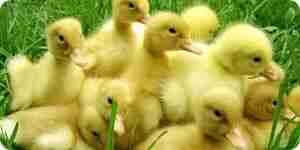
When it comes to raising baby ducks, there are at least five main principles to follow for success. Fuzzy yellow ducklings are cute, but they require a lot of care. Raising baby ducks is not as easy as it sounds. Sure, they are cute as pie and you would love to cuddle them all day, but you must be careful when raising them to prevent health issues that they easily succumb to. After you have received your ducklings, what do you do next?
Here is how to provide proper pet care for your baby duck.
- Setting up your brooding area
A brooding area is simply a place for your baby ducks to live. It should be clean, draft-free, dry, and, most importantly, protected against any wild animals such as cats, dogs, coyotes, and even raccoons. You can keep your baby ducks in the corner of a barn or storage shed that protects them from harsh weather conditions like rain. You should also ensure this space is large enough for the baby ducks once they become adults. - Choosing bedding material
The best choice for raising your baby ducks is either straw or hay. Do not use wood chips, as these can cause harm to your baby ducks. Wood shavings or wood chips are dangerous if your ducklings try to eat them, as they are difficult to digest. Be sure to remove wet spots as often as they occur to prevent mold from developing. If the bedding becomes moldy, remove all of it, clean the area, and replace it immediately. Mold is very harmful to your precious baby ducks and can lead to the death of your ducklings. - Proper heating
Ducklings need warmth, especially for the first 10 days. The key indicator is their behavior. If they are comfortable, they will move around, eat, drink, and play. When too hot, they will move away from the light. If baby ducks are too cold, they will huddle together to keep warm. Heat lamps are best to use for this purpose.- 4 bulbs with 250 watts = 100 to 150 ducklings
- 1 bulb with 250 watts = 30 ducklings
- 1 bulb with 50 watts = fewer than 10 ducklings
- Feeding the baby ducks
You may be wondering, "What do ducks eat?" It is best to feed your baby ducks a non-medicated chick or duck starter feed. They can also have fresh vegetables or fruits that have been chopped finely, but when raising ducks, be careful not to overfeed them. As a treat, you can give your ducklings small, live worms and insects. - Water
Because they are baby ducks, water is a huge part of their existence. They should have a bathing and watering area that is no deeper than ¼ inch so that they will not drown. The water should be kept free of microorganisms and toxins. Once your ducklings mature, you can move them to a natural pond or lake.
Now you know how to raise a duckling! Remember, this requires ongoing care. When raising your baby ducks, you will need to give them lots of love, care, and attention.
Raising Baby Ducks: Pet Care for Your Duckling
Learn the five essential principles for successfully raising healthy and happy baby ducks, covering brooding areas, bedding, heating, feeding, and water safety.
When it comes to raising baby ducks, there are at least five main principles to follow for success. Fuzzy yellow ducklings are cute, but they require a lot of care. Raising baby ducks is not as easy as it sounds. Sure, they are cute as pie and you would love to cuddle them all day, but you must be careful when raising them to prevent health issues that they easily succumb to. After you have received your ducklings, what do you do next?
Here is how to provide proper pet care for your baby duck.
- Setting up your brooding area
A brooding area is simply a place for your baby ducks to live. It should be clean, draft-free, dry, and, most importantly, protected against any wild animals such as cats, dogs, coyotes, and even raccoons. You can keep your baby ducks in the corner of a barn or storage shed that protects them from harsh weather conditions like rain. You should also ensure this space is large enough for the baby ducks once they become adults. - Choosing bedding material
The best choice for raising your baby ducks is either straw or hay. Do not use wood chips, as these can cause harm to your baby ducks. Wood shavings or wood chips are dangerous if your ducklings try to eat them, as they are difficult to digest. Be sure to remove wet spots as often as they occur to prevent mold from developing. If the bedding becomes moldy, remove all of it, clean the area, and replace it immediately. Mold is very harmful to your precious baby ducks and can lead to the death of your ducklings. - Proper heating
Ducklings need warmth, especially for the first 10 days. The key indicator is their behavior. If they are comfortable, they will move around, eat, drink, and play. When too hot, they will move away from the light. If baby ducks are too cold, they will huddle together to keep warm. Heat lamps are best to use for this purpose.- 4 bulbs with 250 watts = 100 to 150 ducklings
- 1 bulb with 250 watts = 30 ducklings
- 1 bulb with 50 watts = fewer than 10 ducklings
- Feeding the baby ducks
You may be wondering, "What do ducks eat?" It is best to feed your baby ducks a non-medicated chick or duck starter feed. They can also have fresh vegetables or fruits that have been chopped finely, but when raising ducks, be careful not to overfeed them. As a treat, you can give your ducklings small, live worms and insects. - Water
Because they are baby ducks, water is a huge part of their existence. They should have a bathing and watering area that is no deeper than ¼ inch so that they will not drown. The water should be kept free of microorganisms and toxins. Once your ducklings mature, you can move them to a natural pond or lake.
Now you know how to raise a duckling! Remember, this requires ongoing care. When raising your baby ducks, you will need to give them lots of love, care, and attention.
Raising Baby Ducks: Pet Care for Your Duckling
By Howtodotips
Learn the five essential principles for successfully raising healthy and happy baby ducks, covering brooding areas, bedding, heating, feeding, and water safety.