How to Raise a Duck as a Pet
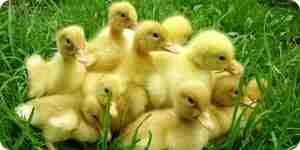
Ducks are adorable birds that you can raise at home if you have enough space and time to give them the attention they need. Ducks make delightful pets for you and your children, but they need special care to survive. Ducks are not like most pets, which you can leave to thrive on their own. They need careful attention to their diet and daily activities to survive in the environment you provide for them.
Here are some steps you can follow to raise ducks as pets.
- Understand a duck’s needs. Ducks make wonderful pets, but they will not last long if you do not understand that their needs are unlike those of other animals. Getting just one duck is ill-advised, as ducks are social animals and do better with other ducks. Ducks are small even when fully grown, making them easy prey for other animals. If any other animal in your home has sharp teeth, your home is not safe for ducks. Ducks need a lot of space and water for both swimming and drinking. They also need someone to take them to areas with ponds later in life if you do not have a pool for them. Taking care of ducks is a demanding task, and if you do not have time to care for and nurture ducks, you might want to consider a different pet.
- Buy your ducks responsibly. Purchase ducks only from trusted sellers. Some duck sellers sell sickly, frail ducks that die soon after you purchase them. Buy ducks from reputable sellers that have positive reviews about recent transactions with other duck buyers. You should also know the age of the ducks you are buying. Ducks have different needs at different stages of growth. The type of care they need depends on their age.
- Prepare duck feed. Before you get your ducks, you need to have their food ready. Ducklings that are 3 weeks old need starter mash with 20%-22% protein. Adolescent ducks that are 3 weeks to 6 weeks old need 16% protein in their mash or pellets. You can also get crumbs with the same amount of protein if they are more convenient. Female ducks aged 6 weeks and above need 16% to 18% protein in their mash, crumbs, or pellets if they are laying eggs, and males need 14% to 16% protein at the same age. Do not get medicated duck feed. Medicated or commercial duck feed contains chemicals meant to make your duck grow bigger at a faster rate, but they can harm your duck. Buy fresh, natural, organic feed for your ducks.
- When your ducks arrive, they might need food immediately because they may have gone through stressful travel. Continue feeding your ducks the appropriate diet and make sure their food stays fresh. Keep their food in airtight containers to keep mold and bacteria away.
- Provide fresh water. Ducks need fresh, clean water every day. Provide a water feeder that your ducks can access easily. Replace their water with clean, fresh water every day. Ducks also need a place to swim, so provide a shallow pool for ducklings as a swimming area. For adult ducks, the pool has to be a little deeper because they like diving. If you do not have a pond especially for the ducks to swim in, you need to replace the pool water every day. Ducks drink a lot of the water they swim in, so the water they swim in, apart from the water in their feeder, has to be clean at all times. Provide a ramp so they can access their swimming pool easily. You can get non-bendable pools meant for children as an alternative to a duck pond for your ducks.
- Provide good shelter for your ducks. Make sure the shelter you provide for ducklings is safe from predators such as stray dogs or cats. The shelter should also protect the ducks from harsh weather such as rain or intense heat. For both adult and baby ducks, the shelter has to have a heating lamp that they cannot reach. Make sure the heating lamp is not too hot; ducks like warm places. Do not forget that they need access to water 24/7, so keep the water dish or water feeder on the opposite side of the shelter from the heating lamp.
- Ducklings should stay in a spacious, sufficiently heated cage while they are young so they stay away from places that predators such as dogs, cats, or other wild animals can access. Ducklings can slip through gates or cage gratings, so make sure the cage has small slats.
- Let your ducks exercise. Ducks need to waddle around in the sun at some point each day. Make sure you supervise your ducks when they are on their way to a pond or walking around in the sun, as they might catch a predator’s attention. Cats and dogs think ducks make tasty treats, and you have to keep your ducks safe from all animals that can harm them.
- Provide tender loving care for your ducks. Make sure you pet your ducks regularly. Ducks like attention. You need to hold them at regular intervals throughout the day. If you have children, make sure you supervise them when they are holding or playing with the ducks, as ducks cannot handle rough play and your children might hurt the ducks.
Following the steps above will help you raise and take good care of your ducks. Remember that they need safe shelter, food, and water. Most of all, they need safety from anything that can harm them, as they cannot be relied on to protect themselves against other animals and harsh weather. Ducks need a lot of attention and love, and you need to fulfill all these needs when raising ducks as pets.
How to Raise a Duck as a Pet
How to Raise a Duck as a Pet : Multi-thousand tips to make your life easier.
Ducks are adorable birds that you can raise at home if you have enough space and time to give them the attention they need. Ducks make delightful pets for you and your children, but they need special care to survive. Ducks are not like most pets, which you can leave to thrive on their own. They need careful attention to their diet and daily activities to survive in the environment you provide for them.
Here are some steps you can follow to raise ducks as pets.
- Understand a duck’s needs. Ducks make wonderful pets, but they will not last long if you do not understand that their needs are unlike those of other animals. Getting just one duck is ill-advised, as ducks are social animals and do better with other ducks. Ducks are small even when fully grown, making them easy prey for other animals. If any other animal in your home has sharp teeth, your home is not safe for ducks. Ducks need a lot of space and water for both swimming and drinking. They also need someone to take them to areas with ponds later in life if you do not have a pool for them. Taking care of ducks is a demanding task, and if you do not have time to care for and nurture ducks, you might want to consider a different pet.
- Buy your ducks responsibly. Purchase ducks only from trusted sellers. Some duck sellers sell sickly, frail ducks that die soon after you purchase them. Buy ducks from reputable sellers that have positive reviews about recent transactions with other duck buyers. You should also know the age of the ducks you are buying. Ducks have different needs at different stages of growth. The type of care they need depends on their age.
- Prepare duck feed. Before you get your ducks, you need to have their food ready. Ducklings that are 3 weeks old need starter mash with 20%-22% protein. Adolescent ducks that are 3 weeks to 6 weeks old need 16% protein in their mash or pellets. You can also get crumbs with the same amount of protein if they are more convenient. Female ducks aged 6 weeks and above need 16% to 18% protein in their mash, crumbs, or pellets if they are laying eggs, and males need 14% to 16% protein at the same age. Do not get medicated duck feed. Medicated or commercial duck feed contains chemicals meant to make your duck grow bigger at a faster rate, but they can harm your duck. Buy fresh, natural, organic feed for your ducks.
- When your ducks arrive, they might need food immediately because they may have gone through stressful travel. Continue feeding your ducks the appropriate diet and make sure their food stays fresh. Keep their food in airtight containers to keep mold and bacteria away.
- Provide fresh water. Ducks need fresh, clean water every day. Provide a water feeder that your ducks can access easily. Replace their water with clean, fresh water every day. Ducks also need a place to swim, so provide a shallow pool for ducklings as a swimming area. For adult ducks, the pool has to be a little deeper because they like diving. If you do not have a pond especially for the ducks to swim in, you need to replace the pool water every day. Ducks drink a lot of the water they swim in, so the water they swim in, apart from the water in their feeder, has to be clean at all times. Provide a ramp so they can access their swimming pool easily. You can get non-bendable pools meant for children as an alternative to a duck pond for your ducks.
- Provide good shelter for your ducks. Make sure the shelter you provide for ducklings is safe from predators such as stray dogs or cats. The shelter should also protect the ducks from harsh weather such as rain or intense heat. For both adult and baby ducks, the shelter has to have a heating lamp that they cannot reach. Make sure the heating lamp is not too hot; ducks like warm places. Do not forget that they need access to water 24/7, so keep the water dish or water feeder on the opposite side of the shelter from the heating lamp.
- Ducklings should stay in a spacious, sufficiently heated cage while they are young so they stay away from places that predators such as dogs, cats, or other wild animals can access. Ducklings can slip through gates or cage gratings, so make sure the cage has small slats.
- Let your ducks exercise. Ducks need to waddle around in the sun at some point each day. Make sure you supervise your ducks when they are on their way to a pond or walking around in the sun, as they might catch a predator’s attention. Cats and dogs think ducks make tasty treats, and you have to keep your ducks safe from all animals that can harm them.
- Provide tender loving care for your ducks. Make sure you pet your ducks regularly. Ducks like attention. You need to hold them at regular intervals throughout the day. If you have children, make sure you supervise them when they are holding or playing with the ducks, as ducks cannot handle rough play and your children might hurt the ducks.
Following the steps above will help you raise and take good care of your ducks. Remember that they need safe shelter, food, and water. Most of all, they need safety from anything that can harm them, as they cannot be relied on to protect themselves against other animals and harsh weather. Ducks need a lot of attention and love, and you need to fulfill all these needs when raising ducks as pets.
How to Raise a Duck as a Pet
By Howtodotips
How to Raise a Duck as a Pet : Multi-thousand tips to make your life easier.