Muslims should strive to reap the maximum spiritual rewards during this blessed month.
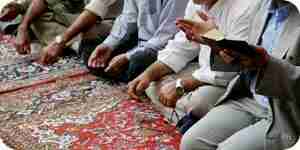

Ramadan is one of the most blessed months in the Islamic calendar. It is a month of worship that requires Muslims to fast from dawn to dusk consecutively for twenty-nine or thirty days. Every Muslim knows that fasting in Ramadan is obligatory. Some have been doing it all their lives, more as a cultural byproduct of being born into a Muslim household than as an expression of religious commitment, while others start later in life, perhaps after converting to Islam. What holds true for all, however, is the concern that this form of worship might be "difficult to do." Below is a practical guide on how Muslims can make fasting during Ramadan both easier and more spiritually rewarding:
- Make your intention Allah's pleasure:
Fasting is not dieting! It is vital for the eventual acceptance of any act of worship that it be done solely for the pleasure of Allah. If you fast sincerely for Him, He will make it easy for you throughout the entire month. Cleanse yourself of any desire to show off your piety during this time. - Stock up on groceries a week in advance:
Fasting requires two major meals each day during Ramadan. Depending on your geographical location, cultural factors, and family food preferences, take a trip to the grocery store and buy all the lentils, dairy, oil, rice, meat, spices, and flour (gram and wheat) you will need for the month. Shopping beforehand ensures that time and energy are not wasted on acquiring these necessities during Ramadan. - Prepare your family:
This can be done by sitting at the dining table and reading relevant educational material from Islamic books about the virtues of Ramadan and what every Muslim should or should not do while fasting. For example, lying, backbiting, and wasting time in frivolous activities are prohibited while fasting. A study session like this serves as a helpful reminder for everyone. Acquire a printed timetable of dawn and sunset timings in your area for the entire month; local mosques usually distribute these a few days before the first fast. - Retire early at night throughout Ramadan:
In order to wake up for Suhoor—the pre-dawn meal before the Fajr prayer every day—the entire family should go to bed early during Ramadan. Television viewing and unnecessary outdoor entertainment should be minimized. Instead, the whole family should head straight to bed after returning from the nightly prayers (explained below) at the mosque. - Wake up 2 hours before the Fajr (pre-dawn) prayer:
This applies especially to the mother of the household, though the rest of the family should chip in as well. It is recommended to wake up early to perform at least two units of night prayer before helping set the table for Suhoor. The family should start eating at least 45 minutes before dawn and finish five minutes before dawn breaks. The final few minutes should be spent rinsing the mouth and performing ablution in preparation for the Fajr prayer.
Some Muslims begin eating even more as the end of Suhoor approaches, thinking, "This is my last chance to get as much food into myself as I can before having to starve until sunset." Wise and moderate Muslims, however, know that fasting is not akin to starving the body. They maintain moderation when eating Suhoor.
Others skip Suhoor altogether because it requires waking up in the wee hours of the morning, preferring instead to eat well past midnight and sleep late. This course of action is also not recommended. The best option is to sleep early after the Isha prayer and awaken two hours before dawn to perform units of the night prayer (Qiyaam Al-Layl) in addition to eating a nutritious Suhoor meal. - Spend the time from morning to afternoon going about your normal daily routine:
Some people assume that since they cannot eat or drink until sunset, they should "sleep off" the fast and awaken only a few hours before the evening meal. They draw their curtains, pull their comforters over their heads, turn on the air conditioning, and sleep until evening. These same individuals often stay awake all night—the designated time for eating and drinking during Ramadan—visiting relatives and friends, eating, and chatting endlessly, only to dive back into bed after the Fajr prayer. This is not the aim or spirit of Ramadan. Fasting does not drain your energy for productive work, except perhaps during the final two hours of the fast. It is encouraged to work or study as usual until two or three hours before sunset. After the second prayer of the day, Dhuhr, the fasting Muslim should lie down and rest for a while for an afternoon siesta. - Recite the Qur'an as much as you can, preferably finishing the entire text over the course of Ramadan:
Ramadan is the month in which Prophet Muhammad [Allah's peace and blessings be upon him] began receiving the revelation of the Qur'an. It is a month in which each voluntary good deed reaps the reward of an obligatory one. Therefore, Muslims should try to enrich their souls with the Qur'an in three ways:- Reciting the Arabic text with proper Tajweed while in a state of ablution.
- Understanding its meanings by pondering its translation and exegesis, or by attending a daily Qur'an study circle.
- Reciting the verses during night prayers, which can be performed alongside the final daily prayer (Isha) or as tahajjud a few hours before dawn.
- Prepare the Iftar (evening meal) to break the fast:

This meal is the highlight of the day for every Muslim during Ramadan! Spirits are high, and cheerful chatter fills Muslim neighborhoods as people bustle about preparing their favorite foods for Iftar. Unfortunately, this meal is also the primary source of excess and extravagance during the month.
Many people spend the final few minutes before sunset—a time for earnest du'a (supplication)—setting the table and plating fresh food. These last few minutes witness the peak of hunger and thirst experienced by a fasting Muslim for the sake of their Creator, making it a moment when Allah is most attentive and loving toward them. Supplications made earnestly in these final few minutes are readily accepted by Allah. Most Muslims forfeit this opportunity by chatting at the table, while women often spend the time in the kitchen frying the last few fritters or pakoras. 
After eating Iftar, some Muslims neglect the fourth prayer of the day, Maghrib. While it is permissible to delay it slightly to break the fast, one should rush to offer the prayer as soon as hunger and thirst are quenched. The best approach is to break the fast while in a state of ablution by eating one, three, or five dates with a glass of water, rinsing the mouth, using the siwak, and offering the Maghrib prayer with a light stomach and a thankful, attentive heart. Afterward, one can return to the table to eat in moderation, which prevents the hungry fasting person from overeating immediately.
In stark contrast, many families pile their plates high with fried foods beforehand and gorge themselves as soon as the sun sets. They continue eating and chatting for about half an hour, following the fried items with a heavy dinner, tea, and dessert. The result is a full belly and a heavy head that ruins their concentration during night prayers. Loud belches frequently disrupt the soothing effect of night prayers simply because people overate at Iftar. 
Iftar parties have also become a trend among some Muslims, who host huge gatherings intermittently throughout the month. Inviting several families at once, hosts prepare lavish spreads, much of which goes to waste as guests skip Maghrib and Isha prayers to enjoy themselves amid live music and free mixing. This runs counter to the intended spirit of Ramadan. While distributing food to help others break their fast—including neighbors, relatives, and especially the poor and needy—is highly recommended, one must ensure that food preparation and distribution do not interfere with their worship schedule. - Charity:
Ramadan is a month to give as much sadaqah (charity) as possible. It is better to give smaller amounts of money, clothes, or food regularly throughout Ramadan than a very large amount just once or twice. Most Muslims also choose to discharge their yearly obligatory charity, Zakaah, during this month. - Maintain regular Qiyaam Al-Layl (Night Prayers):
A portion of the nights of Ramadan should be spent in devoted, supererogatory Islamic prayer (salaah). This can be done in congregation after the Isha prayer by performing Taraweeh behind an imam, particularly for those men and women who cannot recite the Qur'an fluently. However, the better option is to pray alone a couple of hours before dawn in the wee hours of the morning, reciting as much of the Qur'an from memory as possible. At this time, one can achieve maximum concentration, and Allah is most attentive and forgiving toward His servants. Muslims should utilize these quiet hours to earnestly ask Allah for forgiveness. - Conserve energy for the last ten days of Ramadan:
Many Muslims start the month of Ramadan with zealous worship but lose steam after a couple of weeks. They pressure imams or those leading daily Qur'an lessons to finish the Qur'an before the final week of Ramadan so they can rest, prepare for the Eid holiday, shop for clothes and shoes, and catch flights to spend Eid with relatives elsewhere. Most people spend the final three nights of Ramadan frantically shopping.
The correct approach is to perform worship in moderation during the first 20 days of Ramadan and build up fervor during the final 10 days. The first two weeks of fasting help the body settle into a rhythm; by the 15th of the month, most Muslims are well-adjusted to a fast-by-day, pray-by-night routine. The last 10 days are intended for Muslims to increase their focus on worship, recitation, and night prayers. Eid shopping is best done before Ramadan begins. However, because consistent fasting takes a physical toll by the end of the month, it is wise to spend a portion of these final days sleeping or resting.
Finally, once the month of Ramadan concludes, Muslims should pray that Allah accepts all the acts of worship they performed. It is by Allah's blessing that He brings Ramadan to us each year, granting us a chance to refurbish our faith and renew our desire to perform good deeds. It is no wonder Ramadan is called the "spring season" of the Islamic calendar!
Sadaf Farooqi is a freelance writer contributing regular articles to Hiba Islamic Family Magazine and the Farhat Hashmi Blog. She can be contacted at [email protected]
Fasting During Ramadan
Muslims should strive to reap the maximum spiritual rewards during this blessed month.
Ramadan is one of the most blessed months in the Islamic calendar. It is a month of worship that requires Muslims to fast from dawn to dusk consecutively for twenty-nine or thirty days. Every Muslim knows that fasting in Ramadan is obligatory. Some have been doing it all their lives, more as a cultural byproduct of being born into a Muslim household than as an expression of religious commitment, while others start later in life, perhaps after converting to Islam. What holds true for all, however, is the concern that this form of worship might be "difficult to do." Below is a practical guide on how Muslims can make fasting during Ramadan both easier and more spiritually rewarding:
- Make your intention Allah's pleasure:
Fasting is not dieting! It is vital for the eventual acceptance of any act of worship that it be done solely for the pleasure of Allah. If you fast sincerely for Him, He will make it easy for you throughout the entire month. Cleanse yourself of any desire to show off your piety during this time. - Stock up on groceries a week in advance:
Fasting requires two major meals each day during Ramadan. Depending on your geographical location, cultural factors, and family food preferences, take a trip to the grocery store and buy all the lentils, dairy, oil, rice, meat, spices, and flour (gram and wheat) you will need for the month. Shopping beforehand ensures that time and energy are not wasted on acquiring these necessities during Ramadan. - Prepare your family:
This can be done by sitting at the dining table and reading relevant educational material from Islamic books about the virtues of Ramadan and what every Muslim should or should not do while fasting. For example, lying, backbiting, and wasting time in frivolous activities are prohibited while fasting. A study session like this serves as a helpful reminder for everyone. Acquire a printed timetable of dawn and sunset timings in your area for the entire month; local mosques usually distribute these a few days before the first fast. - Retire early at night throughout Ramadan:
In order to wake up for Suhoor—the pre-dawn meal before the Fajr prayer every day—the entire family should go to bed early during Ramadan. Television viewing and unnecessary outdoor entertainment should be minimized. Instead, the whole family should head straight to bed after returning from the nightly prayers (explained below) at the mosque. - Wake up 2 hours before the Fajr (pre-dawn) prayer:
This applies especially to the mother of the household, though the rest of the family should chip in as well. It is recommended to wake up early to perform at least two units of night prayer before helping set the table for Suhoor. The family should start eating at least 45 minutes before dawn and finish five minutes before dawn breaks. The final few minutes should be spent rinsing the mouth and performing ablution in preparation for the Fajr prayer.
Some Muslims begin eating even more as the end of Suhoor approaches, thinking, "This is my last chance to get as much food into myself as I can before having to starve until sunset." Wise and moderate Muslims, however, know that fasting is not akin to starving the body. They maintain moderation when eating Suhoor.
Others skip Suhoor altogether because it requires waking up in the wee hours of the morning, preferring instead to eat well past midnight and sleep late. This course of action is also not recommended. The best option is to sleep early after the Isha prayer and awaken two hours before dawn to perform units of the night prayer (Qiyaam Al-Layl) in addition to eating a nutritious Suhoor meal. - Spend the time from morning to afternoon going about your normal daily routine:
Some people assume that since they cannot eat or drink until sunset, they should "sleep off" the fast and awaken only a few hours before the evening meal. They draw their curtains, pull their comforters over their heads, turn on the air conditioning, and sleep until evening. These same individuals often stay awake all night—the designated time for eating and drinking during Ramadan—visiting relatives and friends, eating, and chatting endlessly, only to dive back into bed after the Fajr prayer. This is not the aim or spirit of Ramadan. Fasting does not drain your energy for productive work, except perhaps during the final two hours of the fast. It is encouraged to work or study as usual until two or three hours before sunset. After the second prayer of the day, Dhuhr, the fasting Muslim should lie down and rest for a while for an afternoon siesta. - Recite the Qur'an as much as you can, preferably finishing the entire text over the course of Ramadan:
Ramadan is the month in which Prophet Muhammad [Allah's peace and blessings be upon him] began receiving the revelation of the Qur'an. It is a month in which each voluntary good deed reaps the reward of an obligatory one. Therefore, Muslims should try to enrich their souls with the Qur'an in three ways:- Reciting the Arabic text with proper Tajweed while in a state of ablution.
- Understanding its meanings by pondering its translation and exegesis, or by attending a daily Qur'an study circle.
- Reciting the verses during night prayers, which can be performed alongside the final daily prayer (Isha) or as tahajjud a few hours before dawn.
- Prepare the Iftar (evening meal) to break the fast:
This meal is the highlight of the day for every Muslim during Ramadan! Spirits are high, and cheerful chatter fills Muslim neighborhoods as people bustle about preparing their favorite foods for Iftar. Unfortunately, this meal is also the primary source of excess and extravagance during the month.
Many people spend the final few minutes before sunset—a time for earnest du'a (supplication)—setting the table and plating fresh food. These last few minutes witness the peak of hunger and thirst experienced by a fasting Muslim for the sake of their Creator, making it a moment when Allah is most attentive and loving toward them. Supplications made earnestly in these final few minutes are readily accepted by Allah. Most Muslims forfeit this opportunity by chatting at the table, while women often spend the time in the kitchen frying the last few fritters or pakoras.
After eating Iftar, some Muslims neglect the fourth prayer of the day, Maghrib. While it is permissible to delay it slightly to break the fast, one should rush to offer the prayer as soon as hunger and thirst are quenched. The best approach is to break the fast while in a state of ablution by eating one, three, or five dates with a glass of water, rinsing the mouth, using the siwak, and offering the Maghrib prayer with a light stomach and a thankful, attentive heart. Afterward, one can return to the table to eat in moderation, which prevents the hungry fasting person from overeating immediately.
In stark contrast, many families pile their plates high with fried foods beforehand and gorge themselves as soon as the sun sets. They continue eating and chatting for about half an hour, following the fried items with a heavy dinner, tea, and dessert. The result is a full belly and a heavy head that ruins their concentration during night prayers. Loud belches frequently disrupt the soothing effect of night prayers simply because people overate at Iftar.
Iftar parties have also become a trend among some Muslims, who host huge gatherings intermittently throughout the month. Inviting several families at once, hosts prepare lavish spreads, much of which goes to waste as guests skip Maghrib and Isha prayers to enjoy themselves amid live music and free mixing. This runs counter to the intended spirit of Ramadan. While distributing food to help others break their fast—including neighbors, relatives, and especially the poor and needy—is highly recommended, one must ensure that food preparation and distribution do not interfere with their worship schedule. - Charity:
Ramadan is a month to give as much sadaqah (charity) as possible. It is better to give smaller amounts of money, clothes, or food regularly throughout Ramadan than a very large amount just once or twice. Most Muslims also choose to discharge their yearly obligatory charity, Zakaah, during this month. - Maintain regular Qiyaam Al-Layl (Night Prayers):
A portion of the nights of Ramadan should be spent in devoted, supererogatory Islamic prayer (salaah). This can be done in congregation after the Isha prayer by performing Taraweeh behind an imam, particularly for those men and women who cannot recite the Qur'an fluently. However, the better option is to pray alone a couple of hours before dawn in the wee hours of the morning, reciting as much of the Qur'an from memory as possible. At this time, one can achieve maximum concentration, and Allah is most attentive and forgiving toward His servants. Muslims should utilize these quiet hours to earnestly ask Allah for forgiveness. - Conserve energy for the last ten days of Ramadan:
Many Muslims start the month of Ramadan with zealous worship but lose steam after a couple of weeks. They pressure imams or those leading daily Qur'an lessons to finish the Qur'an before the final week of Ramadan so they can rest, prepare for the Eid holiday, shop for clothes and shoes, and catch flights to spend Eid with relatives elsewhere. Most people spend the final three nights of Ramadan frantically shopping.
The correct approach is to perform worship in moderation during the first 20 days of Ramadan and build up fervor during the final 10 days. The first two weeks of fasting help the body settle into a rhythm; by the 15th of the month, most Muslims are well-adjusted to a fast-by-day, pray-by-night routine. The last 10 days are intended for Muslims to increase their focus on worship, recitation, and night prayers. Eid shopping is best done before Ramadan begins. However, because consistent fasting takes a physical toll by the end of the month, it is wise to spend a portion of these final days sleeping or resting.
Finally, once the month of Ramadan concludes, Muslims should pray that Allah accepts all the acts of worship they performed. It is by Allah's blessing that He brings Ramadan to us each year, granting us a chance to refurbish our faith and renew our desire to perform good deeds. It is no wonder Ramadan is called the "spring season" of the Islamic calendar!
Sadaf Farooqi is a freelance writer contributing regular articles to Hiba Islamic Family Magazine and the Farhat Hashmi Blog. She can be contacted at [email protected]
Fasting During Ramadan
By Howtodotips
Muslims should strive to reap the maximum spiritual rewards during this blessed month.