Treat canine stroke
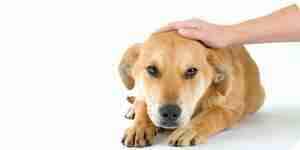
Canine stroke, although rare as a dog health problem, occurs when blood flow to the brain is disrupted by either a blocked artery or a hemorrhage.
There are two types of canine stroke:
- Ischemic strokes -- lack of blood flow to the brain due to a blocked artery. They can be linked to the following conditions:
- Kidney disease
- Heart disease
- Cushing's disease
- Diabetes
- Hypertension
- Obstruction due to the fragment of a tumor, spinal cartilage, parasites or fat
- Under- or over-active thyroid glands
- Hemorrhagic strokes -- proper blood flow to the brain is disrupted by actual bleeding in the brain. These episodes can be prompted by the following conditions:
- Kidney, heart, Cushing's and thyroid diseases, since they can lead to high blood pressure
- A certain type of lung worm called angiostrongylosis
- Rodent poisons
- Arterial inflammation
- Immune-mediated thrombocytopenia
- Brain tumor
- Atypical blood vessel development in the brain
- Head trauma
Warning signs and symptoms of canine stroke are not exclusive to this medical condition, which can complicate diagnosis. The following are common symptoms:
- Head tilt
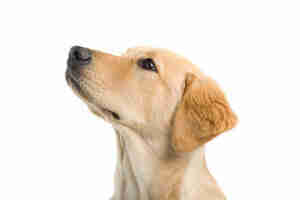
- Turning the wrong way when called
- Eating out of one side of the food dish
- Blindness
- Loss of balance
- Lethargy
- Loss of bladder and bowel control
- Abrupt change in behavior
If an owner suspects that her pet has had a stroke, the dog should definitely be examined by a veterinarian. The veterinarian will make a diagnosis by:
- Performing a physical exam, carefully studying the symptoms that are presenting themselves.
- Conducting an MRI (magnetic resonance imaging) or a CT (computed tomography) scan. The dog must be anesthetized in order to perform the MRI and CT diagnostic work.
Most diagnostic tests are used to rule out other possible causes of the symptoms. The vet will help you determine the cause or causes after confirming the dog has had a stroke.
Treatment of canine stroke begins by identifying the underlying cause of the stroke and treating it to prevent it from causing any more strokes in the future. There is no way to repair the damage inflicted by a stroke, but it is not as debilitating for dogs as it can be for people. With the proper care, most dogs recover in several weeks. This recovery will also depend on the severity of the stroke and how much damage was done, but the potential for recovery is good news for the owner. The dog generally recovers most of her motor functions and movement with time and patience, but behavior may be slightly altered from what it was before the stroke, which may be something that the owner will just have to learn to accept. Whatever the case may be, dogs usually survive a stroke.
Treat canine stroke
Treat canine stroke : Multi-thousand tips to make your life easier.
Canine stroke, although rare as a dog health problem, occurs when blood flow to the brain is disrupted by either a blocked artery or a hemorrhage.
There are two types of canine stroke:
- Ischemic strokes -- lack of blood flow to the brain due to a blocked artery. They can be linked to the following conditions:
- Kidney disease
- Heart disease
- Cushing's disease
- Diabetes
- Hypertension
- Obstruction due to the fragment of a tumor, spinal cartilage, parasites or fat
- Under- or over-active thyroid glands
- Hemorrhagic strokes -- proper blood flow to the brain is disrupted by actual bleeding in the brain. These episodes can be prompted by the following conditions:
- Kidney, heart, Cushing's and thyroid diseases, since they can lead to high blood pressure
- A certain type of lung worm called angiostrongylosis
- Rodent poisons
- Arterial inflammation
- Immune-mediated thrombocytopenia
- Brain tumor
- Atypical blood vessel development in the brain
- Head trauma
Warning signs and symptoms of canine stroke are not exclusive to this medical condition, which can complicate diagnosis. The following are common symptoms:
- Head tilt
- Turning the wrong way when called
- Eating out of one side of the food dish
- Blindness
- Loss of balance
- Lethargy
- Loss of bladder and bowel control
- Abrupt change in behavior
If an owner suspects that her pet has had a stroke, the dog should definitely be examined by a veterinarian. The veterinarian will make a diagnosis by:
- Performing a physical exam, carefully studying the symptoms that are presenting themselves.
- Conducting an MRI (magnetic resonance imaging) or a CT (computed tomography) scan. The dog must be anesthetized in order to perform the MRI and CT diagnostic work.
Most diagnostic tests are used to rule out other possible causes of the symptoms. The vet will help you determine the cause or causes after confirming the dog has had a stroke.
Treatment of canine stroke begins by identifying the underlying cause of the stroke and treating it to prevent it from causing any more strokes in the future. There is no way to repair the damage inflicted by a stroke, but it is not as debilitating for dogs as it can be for people. With the proper care, most dogs recover in several weeks. This recovery will also depend on the severity of the stroke and how much damage was done, but the potential for recovery is good news for the owner. The dog generally recovers most of her motor functions and movement with time and patience, but behavior may be slightly altered from what it was before the stroke, which may be something that the owner will just have to learn to accept. Whatever the case may be, dogs usually survive a stroke.
Treat canine stroke
By Howtodotips
Treat canine stroke : Multi-thousand tips to make your life easier.