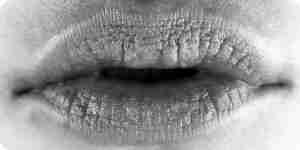
Lip sores are often referred to as cold sores or fever blisters and are caused by the herpes simplex type 1 virus. There are two types of this virus. The first is herpes simplex virus type 1 (HSV1), which most often causes cold sores on or around the mouth. A person with the second type of herpes virus (HSV2) may primarily experience genital herpes. Herpes simplex type 2 is a sexually transmitted disease that results in painful blisters in the genital area.
Herpes simplex virus type 1 is among the most common viruses known to medical science. It has been suggested that those susceptible to cold sores are likely experiencing a weakened immune system as a result of illness. These sores typically appear as fluid-filled pustules in and around the lips and surrounding mouth tissue. The life of a cold sore ranges from 10 to 14 days. It should be noted that there is no cure for cold sores, but much can be done to ease the discomfort of the condition while waiting for nature to take its course.
Several treatment options are available to cold sore sufferers, including prescription medications and over-the-counter (OTC) topical treatments. Many people seek natural treatments to avoid prescriptions and OTC drugs that may have unpleasant side effects.
It is advised that you see a physician to have any lip sores evaluated to determine the exact nature of the lesion and to prescribe an effective course of treatment. Once it has been determined that it is indeed a cold sore, one or more of the following options should prove useful in getting rid of and treating the sore:
- Prescription medications: These medications are prescribed for individuals for whom OTC treatments do not effectively manage the pain and discomfort of the lip sore. Prescription medications promote healing and may shorten the life of the cold sore by up to 12 hours. These medications are most effective when treatment is started at the onset of an outbreak.
- Over-the-counter topical treatments: There are three classes of OTC medications for cold sore treatment.
- The first class essentially provides pain management by working to alleviate the burning and itching associated with mouth sores. These medications relieve pain through the numbing effects of ingredients such as phenol, lidocaine, benzyl alcohol, and camphor.
- The second category works to inhibit the growth of sores that are beginning to form and also promotes healing. This category of treatments lists antibacterial properties that prevent further infections from occurring.
- The final category of OTC treatments is preventive in nature and blocks the virus's ability to create cold sores. These treatments are rich in antiviral ingredients such as zinc, phenol, tannic acid, and lysine.
- Natural remedies: Several natural or home remedies have been suggested to be useful in the management of cold sores. One suggested remedy is to apply ice to the affected area for a few minutes several times each day. Moisturizing the affected area with aloe vera may soften scabs, making them less susceptible to cracking and bleeding. A warm compress made from a tea bag is often soothing to cold sore sufferers when used for 30 minutes per day. It is also advisable to eat a diet rich in fruits and vegetables because they contain key vitamins, iron, and zinc, which are important building blocks for a healthy immune system.
Those prone to cold sores may find that avoiding exposure to UV rays and reducing stress are helpful in preventing outbreaks. The virus that causes cold sores is contagious, and several vital steps can be taken to control its spread.
- Exercise proper hand-washing techniques.
- Do not share personal hygiene items.
- Avoid direct skin-to-skin contact of the affected area or saliva with others.
- Finally, avoid picking at the sores, as this creates not only an open environment for bacterial infection but also a means of transmitting the virus to other areas of the body, including the eyes, nose, chin, and fingers.
Any questions regarding the exact nature of your lesion are best answered by your primary health care provider.
Heal Lip Sores
Heal Lip Sores : Multi-thousand tips to make your life easier.
Lip sores are often referred to as cold sores or fever blisters and are caused by the herpes simplex type 1 virus. There are two types of this virus. The first is herpes simplex virus type 1 (HSV1), which most often causes cold sores on or around the mouth. A person with the second type of herpes virus (HSV2) may primarily experience genital herpes. Herpes simplex type 2 is a sexually transmitted disease that results in painful blisters in the genital area.
Herpes simplex virus type 1 is among the most common viruses known to medical science. It has been suggested that those susceptible to cold sores are likely experiencing a weakened immune system as a result of illness. These sores typically appear as fluid-filled pustules in and around the lips and surrounding mouth tissue. The life of a cold sore ranges from 10 to 14 days. It should be noted that there is no cure for cold sores, but much can be done to ease the discomfort of the condition while waiting for nature to take its course.
Several treatment options are available to cold sore sufferers, including prescription medications and over-the-counter (OTC) topical treatments. Many people seek natural treatments to avoid prescriptions and OTC drugs that may have unpleasant side effects.
It is advised that you see a physician to have any lip sores evaluated to determine the exact nature of the lesion and to prescribe an effective course of treatment. Once it has been determined that it is indeed a cold sore, one or more of the following options should prove useful in getting rid of and treating the sore:
- Prescription medications: These medications are prescribed for individuals for whom OTC treatments do not effectively manage the pain and discomfort of the lip sore. Prescription medications promote healing and may shorten the life of the cold sore by up to 12 hours. These medications are most effective when treatment is started at the onset of an outbreak.
- Over-the-counter topical treatments: There are three classes of OTC medications for cold sore treatment.
- The first class essentially provides pain management by working to alleviate the burning and itching associated with mouth sores. These medications relieve pain through the numbing effects of ingredients such as phenol, lidocaine, benzyl alcohol, and camphor.
- The second category works to inhibit the growth of sores that are beginning to form and also promotes healing. This category of treatments lists antibacterial properties that prevent further infections from occurring.
- The final category of OTC treatments is preventive in nature and blocks the virus's ability to create cold sores. These treatments are rich in antiviral ingredients such as zinc, phenol, tannic acid, and lysine.
- Natural remedies: Several natural or home remedies have been suggested to be useful in the management of cold sores. One suggested remedy is to apply ice to the affected area for a few minutes several times each day. Moisturizing the affected area with aloe vera may soften scabs, making them less susceptible to cracking and bleeding. A warm compress made from a tea bag is often soothing to cold sore sufferers when used for 30 minutes per day. It is also advisable to eat a diet rich in fruits and vegetables because they contain key vitamins, iron, and zinc, which are important building blocks for a healthy immune system.
Those prone to cold sores may find that avoiding exposure to UV rays and reducing stress are helpful in preventing outbreaks. The virus that causes cold sores is contagious, and several vital steps can be taken to control its spread.
- Exercise proper hand-washing techniques.
- Do not share personal hygiene items.
- Avoid direct skin-to-skin contact of the affected area or saliva with others.
- Finally, avoid picking at the sores, as this creates not only an open environment for bacterial infection but also a means of transmitting the virus to other areas of the body, including the eyes, nose, chin, and fingers.
Any questions regarding the exact nature of your lesion are best answered by your primary health care provider.