Use these dog and puppy behavior tips to stop biting
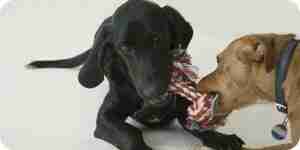
No matter how cute your new puppy or dog may be, if it is chewing and biting you, your family members, and guests, it probably doesn't seem quite as cute. In fact, if the pup's chewing and biting habits are not controlled, it might hurt someone or destroy the contents of your home.
Dog training is necessary to teach some puppies appropriate chewing and biting behaviors.
Here's how to train your dog or puppy not to bite:
- First, understand that many puppies with a biting problem were taken from their mother too soon, so it's not always a case of aggression. The puppy may have missed the lessons a mother dog and littermates provide, teaching each other when chewing and biting have gone too far.
When those sharp little teeth start coming in and the pup nips the mother dog, she will usually leave the area. This makes the pup question its actions. When the pup bites its littermates too hard, the action is usually met with a loud yelp that startles the biting pup. If the pup continues its wicked ways, the other pups will usually nip him harder. It becomes a lesson they do not forget.
- Second, purchase chew toys to divert your puppy's attention away from biting and nipping. Buy something mentally challenging. If it is not challenging enough, your puppy may continue biting your nose or the legs of your dining room chairs. There is an assortment of toys these days, from rawhide and cow hooves to antlers and dried sweet potatoes.
Many pet owners who have problems with their puppy's chewing habits purchase toys that have a treat inside. A dog's sense of smell will keep it chewing on the toy all afternoon to reach the tasty treat inside. Once the dog understands that there are no benefits to biting you, it will start looking for favored chew toys. This is a good way to teach the dog that toys are the only thing to bite. Be sure to supervise a puppy in case it chokes.
- Third, when the pup bites you, act like one of its littermates or its mother. Make a noise that communicates to the pup that you are hurt. Even if the puppy is only chewing on your shoestrings or pajama bottoms, make a loud yelp or say “ouch,” letting the puppy know through your tone that the bite caused pain. Then stop playing and ignore the puppy by turning away.
If that doesn't teach it not to bite or nip, leave the room just like the mother dog would. If the puppy follows you through the house biting at your heels, let out a yelp and then place it in a crate. Do not hold a grudge or keep the puppy locked up too long. A simple timeout should work. Never take the offending puppy out of the crate if it is whining. Wait until it is quiet and behaving. This will teach your dog that good behavior gets rewarded.
Sponsored Link
Have a difficult dog? Use Dog Trainer Pro to turn him into the perfect family pet! |
- Lastly, when your dog begins to bite or nip, distract it quickly by asking it to sit. Once it is seated, gently hold the front of the dog's nose and tap it once, saying “bad dog” in a stern voice. If you do this swiftly and properly, the tap is not punishment; it simply gets its attention and refocuses it to stop the unwanted behavior. Don't ever scream; a stern tone should be enough. In time, with consistency, your dog will understand and stop the behavior.
Other Tips to Try
Remember, you might be giving your dog mixed signals if you are trying to train it not to nip and bite yet continue to play games that encourage this behavior. Games like tug-of-war with a rope or stick may do just the opposite of what you want to teach. Wrestling with your dog may seem fun, but when things get rough or out of hand, you may find yourself punishing the dog for behaviors you just encouraged. Playing chase with your dog teaches it that you are prey while encouraging nipping and biting. Instead, try games like fetch, where you can teach your dog to drop the ball or rope and let you throw it again and again. These games keep you in control and make you the authority figure in the dog's eyes.
Teaching an older dog not to bite can be a little trickier. Bad habits are hard to break without a lot of time and patience. Praise and rewards, such as a scratch under the chin, a treat, or a pat on the head, are generally the key. Again, never hit, kick, or scream at your dog, since this type of punishment will not teach a dog to behave. It will only make them more fearful of you—the one they want to trust. Only use positive reinforcement for good behavior. The key is consistency, especially if more than one person in the family is training the dog.
If you follow these tips, you should be well on your way to having a puppy that doesn't chew, nibble, or bite you. And remember, it's always good to spend extra time learning about dog behavior and how you can use it to train your pet.
Train dogs to stop biting
Use these dog and puppy behavior tips to stop biting
No matter how cute your new puppy or dog may be, if it is chewing and biting you, your family members, and guests, it probably doesn't seem quite as cute. In fact, if the pup's chewing and biting habits are not controlled, it might hurt someone or destroy the contents of your home.
Dog training is necessary to teach some puppies appropriate chewing and biting behaviors.
Here's how to train your dog or puppy not to bite:
- First, understand that many puppies with a biting problem were taken from their mother too soon, so it's not always a case of aggression. The puppy may have missed the lessons a mother dog and littermates provide, teaching each other when chewing and biting have gone too far.
When those sharp little teeth start coming in and the pup nips the mother dog, she will usually leave the area. This makes the pup question its actions. When the pup bites its littermates too hard, the action is usually met with a loud yelp that startles the biting pup. If the pup continues its wicked ways, the other pups will usually nip him harder. It becomes a lesson they do not forget.
- Second, purchase chew toys to divert your puppy's attention away from biting and nipping. Buy something mentally challenging. If it is not challenging enough, your puppy may continue biting your nose or the legs of your dining room chairs. There is an assortment of toys these days, from rawhide and cow hooves to antlers and dried sweet potatoes.
Many pet owners who have problems with their puppy's chewing habits purchase toys that have a treat inside. A dog's sense of smell will keep it chewing on the toy all afternoon to reach the tasty treat inside. Once the dog understands that there are no benefits to biting you, it will start looking for favored chew toys. This is a good way to teach the dog that toys are the only thing to bite. Be sure to supervise a puppy in case it chokes.
- Third, when the pup bites you, act like one of its littermates or its mother. Make a noise that communicates to the pup that you are hurt. Even if the puppy is only chewing on your shoestrings or pajama bottoms, make a loud yelp or say “ouch,” letting the puppy know through your tone that the bite caused pain. Then stop playing and ignore the puppy by turning away.
If that doesn't teach it not to bite or nip, leave the room just like the mother dog would. If the puppy follows you through the house biting at your heels, let out a yelp and then place it in a crate. Do not hold a grudge or keep the puppy locked up too long. A simple timeout should work. Never take the offending puppy out of the crate if it is whining. Wait until it is quiet and behaving. This will teach your dog that good behavior gets rewarded.
Sponsored Link
Have a difficult dog? Use Dog Trainer Pro to turn him into the perfect family pet! |
- Lastly, when your dog begins to bite or nip, distract it quickly by asking it to sit. Once it is seated, gently hold the front of the dog's nose and tap it once, saying “bad dog” in a stern voice. If you do this swiftly and properly, the tap is not punishment; it simply gets its attention and refocuses it to stop the unwanted behavior. Don't ever scream; a stern tone should be enough. In time, with consistency, your dog will understand and stop the behavior.
Other Tips to Try
Remember, you might be giving your dog mixed signals if you are trying to train it not to nip and bite yet continue to play games that encourage this behavior. Games like tug-of-war with a rope or stick may do just the opposite of what you want to teach. Wrestling with your dog may seem fun, but when things get rough or out of hand, you may find yourself punishing the dog for behaviors you just encouraged. Playing chase with your dog teaches it that you are prey while encouraging nipping and biting. Instead, try games like fetch, where you can teach your dog to drop the ball or rope and let you throw it again and again. These games keep you in control and make you the authority figure in the dog's eyes.
Teaching an older dog not to bite can be a little trickier. Bad habits are hard to break without a lot of time and patience. Praise and rewards, such as a scratch under the chin, a treat, or a pat on the head, are generally the key. Again, never hit, kick, or scream at your dog, since this type of punishment will not teach a dog to behave. It will only make them more fearful of you—the one they want to trust. Only use positive reinforcement for good behavior. The key is consistency, especially if more than one person in the family is training the dog.
If you follow these tips, you should be well on your way to having a puppy that doesn't chew, nibble, or bite you. And remember, it's always good to spend extra time learning about dog behavior and how you can use it to train your pet.
Train dogs to stop biting
By Howtodotips
Use these dog and puppy behavior tips to stop biting