The cost of independence doesn't have to be so high!
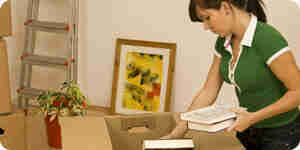
So, you did it. You have accomplished what most twenty-somethings everywhere dream of: settling into your own place. It is the ultimate step toward independence. You have stepped out of the shadow and out from under Mom and Dad's roof. Congratulations!
But now what? Before you head to the mall to start shopping for all the gizmos and gadgets you have been dreaming of for your new pad, you might want to read the following steps. From conquering those ugly bills to the most overlooked apartment necessities to tips on how to save the green stuff (a.k.a. cold, hard cash), this article has you covered.
- Get hooked up. Before signing your lease or agreement, you should find out what, if any, utilities are included in each month's rent. Basic expenses for living in your apartment are water, electricity, heat (the two most common types being gas and electric), and any other luxury, such as cable and Internet. Although your bill may vary depending on where you live, it is best to do some research beforehand. See what the typical cost is per person per month. Contact your cable/Internet provider to see if there is a package deal that is cheaper than purchasing each service separately. If you have a cell phone, my advice is to skip the landline altogether.
- Creating a personal budget. Now that you know what your expenses are going to be, you should set up a budget for yourself using your average monthly income and expenses. How much will you make per month? How much will your bills be? Is your income enough to afford your bills, food, and entertainment? Once you create a realistic budget for yourself, stick with it. Post it on your fridge. Keep it in sight so you don't stray from the plan. This is crucial to keeping your apartment. Too often, many young people only look at the fun side of having their own place and ignore the responsibility. The person who was all too excited to move out of his parents' house soon finds his way back home a few months later. Don't be that guy.
- Don't let your apartment become a money pit. There are several things you can do in your apartment to keep your bills down. One of the great things about renting is that you usually have a landlord to fix any big problems that may, and will, come up. However, you are the one paying the bills. Here are some tips I have picked up along the way to keep utility costs down.
- When you leave the room, turn the lights off. I know you are not afraid of the dark, so why leave them on? The same goes for fans, radios, and so on. This will help cut down on the cost of electricity. However, if you enter and leave the room frequently, you might use more electricity by turning the lights on and off than you would if you left them on while you stepped out. But if you are leaving for an extended amount of time, turn them off.
- Turn the heat down during the day, especially if you are not home. What is the sense in heating the apartment if no one is in it? Don't turn it off completely, but just bring it down a few degrees.
- Winterize your windows. What this basically means is covering your windows with plastic during the winter months. Most heat escapes through the windows and ceiling. By covering the windows with plastic, you are helping to keep your heat in, the cold drafts out, and money in your pocket.
- Don't let the water run. Not only will you be helping the environment, but you will also be helping your bank account. Keep the showers short. When doing your dishes, fill the entire sink with water instead of letting it run while you scrub at the food you burnt last night.
- Saving money at the grocery store. Being a smart shopper is all it takes to save a little cash at the grocery store. Now that you have moved out of your parents' house, you will soon learn that food is expensive! Although it may seem a lot faster, easier, and more fun, eating out every night is not such a good idea. Keep these tips in mind when hitting up the local supermarket.
- Snip, snip, snip! Cut coupons. Every Sunday, you will probably get a big wad of newspapers shoved into your mailbox. Don't just toss them into the trash can. Often those newspapers contain flyers for local grocery stores with everything on sale for the week. Go through each store's flyer and make a list of the things you want to buy. Keep in mind, however, that you should not just buy something because it is on sale. If it is something you will actually use, then go for it.
- Buy in bulk. Buying in bulk will save you tons of money, as long as it is a product you are going to use frequently. Everyday items are good things to buy in bulk, such as toilet paper, paper towels, and napkins. If there is a food item that you use on a daily basis or eat regularly -- coffee, soup, or tuna fish, for example -- then it might not be a bad idea to buy these in bulk either. You can even buy meat and poultry in bulk and freeze it. Don't buy things in bulk that you don't use that often and that could go bad.
- When buying fresh fruit and vegetables, only buy enough that you know you will consume. Don't buy 30 apples unless you plan on eating 30 apples before they go bad or before you go to the store again.
- Sign up for a bonus card at all of your local grocery stores. You can get items on sale that you normally would not, and those bonus points add up fast. Bonus points can usually be redeemed for food or even gas!
- When shopping for the basic necessities, shop the perimeter of the grocery store. This way you will hit the produce, meat, frozen goods, and bakery. Every grocery store has the same design for a reason. This will eliminate any impulsive buys down the chip, soda, and cookie aisles.
- Knowing what you need. There are certain items that you are going to need in order to live in your new place comfortably. Before you go rushing off to decorate, you might want to get the necessities taken care of first. After all, it would be silly to have 10 cool pillows with no couch or bed to put them on!
- Furniture. This is the big one when renting an apartment. If you can't afford to buy new furniture for your new place, join the club. Ask family members if they have any old furniture stored away that you could have. Check out local flea markets and yard sales for good bargains. You also might want to visit the local Salvation Army or a secondhand store for furniture. These places usually have a decent assortment at a price you can't find anywhere else. And sometimes, you come across furniture that is one of a kind.
- Appliances. Most apartments these days come with major appliances. If not, you might want to try the tips above or read through the local classified ads for anyone who might be selling what you need. Don't forget the washer and dryer. Does the apartment provide them either in the apartment itself or in the complex? If not, how far is the closest laundromat? (Or in some people's case... back to Mom and Dad's?)
- Lighting. Make sure you know whether or not you are going to need lamps. Some apartments have light fixtures in every room, and other apartments do not. This is something you should look into upon first moving in, preferably before.
- A dish-drying rack. This may seem odd, but you will be thanking me if you did not buy one of these yet! Best thing I ever bought for my apartment. Just throw the wet dishes in and walk away. No messing with dishcloths!
- Dressing it up. Almost everyone who is moving into his or her first apartment immediately thinks of how to decorate it. Well, if you have got everything else on this list covered, have at it! But before you start spending your extra cash (after the budget, remember!), see if you have anything from home that you could use to decorate your new abode. Anything from college, maybe? The most important tip I can give you when decorating is to do it yourself. Not only will this save you money, but it will also give your apartment something that no other apartment has. Here are some decorating tips that will not cost a fortune.
- Frame it. Use picture frames to frame your favorite posters. It gives them a more grown-up feel and just looks neater than if you used tacks.
- Picture it. Creating picture collages, picture frames, French memo boards, and having nicely framed pictures is a great way to decorate your place. They show who you are, what you have done, and allow those who enter your apartment to see the real you. Plus, you will get bonus points for putting pictures of your friends up.
- Treat your windows to some truly unique curtains. When I was in college, my roommates and I decided to make our own curtains for our living room windows. It only took a few hours and cost about $15 total. You would not believe the compliments we got on them! No one even knew we made them ourselves.
- Hang a cool tapestry or blanket on the wall as a cool art piece.
- Although it is cliché, lining the perimeter of the ceiling with Christmas lights creates the perfect lighting. Not to mention it saves electricity.
Now, use what you have learned from this article to help settle into your new place. Although it is a very exciting time, it can also be very stressful to deal with the responsibility of your own place. I hope your new apartment is one that is filled with friends, laughter, and good times. Not to mention all those cool gizmos you have been dreaming of. Just be smart in spending your money, and soon your apartment will become all that you have hoped for.
And in the meantime... having your friends over is an excellent way to chill (and save money). Enjoy, and best of luck!
Settle into your first apartment
The cost of independence doesn't have to be so high!
So, you did it. You have accomplished what most twenty-somethings everywhere dream of: settling into your own place. It is the ultimate step toward independence. You have stepped out of the shadow and out from under Mom and Dad's roof. Congratulations!
But now what? Before you head to the mall to start shopping for all the gizmos and gadgets you have been dreaming of for your new pad, you might want to read the following steps. From conquering those ugly bills to the most overlooked apartment necessities to tips on how to save the green stuff (a.k.a. cold, hard cash), this article has you covered.
- Get hooked up. Before signing your lease or agreement, you should find out what, if any, utilities are included in each month's rent. Basic expenses for living in your apartment are water, electricity, heat (the two most common types being gas and electric), and any other luxury, such as cable and Internet. Although your bill may vary depending on where you live, it is best to do some research beforehand. See what the typical cost is per person per month. Contact your cable/Internet provider to see if there is a package deal that is cheaper than purchasing each service separately. If you have a cell phone, my advice is to skip the landline altogether.
- Creating a personal budget. Now that you know what your expenses are going to be, you should set up a budget for yourself using your average monthly income and expenses. How much will you make per month? How much will your bills be? Is your income enough to afford your bills, food, and entertainment? Once you create a realistic budget for yourself, stick with it. Post it on your fridge. Keep it in sight so you don't stray from the plan. This is crucial to keeping your apartment. Too often, many young people only look at the fun side of having their own place and ignore the responsibility. The person who was all too excited to move out of his parents' house soon finds his way back home a few months later. Don't be that guy.
- Don't let your apartment become a money pit. There are several things you can do in your apartment to keep your bills down. One of the great things about renting is that you usually have a landlord to fix any big problems that may, and will, come up. However, you are the one paying the bills. Here are some tips I have picked up along the way to keep utility costs down.
- When you leave the room, turn the lights off. I know you are not afraid of the dark, so why leave them on? The same goes for fans, radios, and so on. This will help cut down on the cost of electricity. However, if you enter and leave the room frequently, you might use more electricity by turning the lights on and off than you would if you left them on while you stepped out. But if you are leaving for an extended amount of time, turn them off.
- Turn the heat down during the day, especially if you are not home. What is the sense in heating the apartment if no one is in it? Don't turn it off completely, but just bring it down a few degrees.
- Winterize your windows. What this basically means is covering your windows with plastic during the winter months. Most heat escapes through the windows and ceiling. By covering the windows with plastic, you are helping to keep your heat in, the cold drafts out, and money in your pocket.
- Don't let the water run. Not only will you be helping the environment, but you will also be helping your bank account. Keep the showers short. When doing your dishes, fill the entire sink with water instead of letting it run while you scrub at the food you burnt last night.
- Saving money at the grocery store. Being a smart shopper is all it takes to save a little cash at the grocery store. Now that you have moved out of your parents' house, you will soon learn that food is expensive! Although it may seem a lot faster, easier, and more fun, eating out every night is not such a good idea. Keep these tips in mind when hitting up the local supermarket.
- Snip, snip, snip! Cut coupons. Every Sunday, you will probably get a big wad of newspapers shoved into your mailbox. Don't just toss them into the trash can. Often those newspapers contain flyers for local grocery stores with everything on sale for the week. Go through each store's flyer and make a list of the things you want to buy. Keep in mind, however, that you should not just buy something because it is on sale. If it is something you will actually use, then go for it.
- Buy in bulk. Buying in bulk will save you tons of money, as long as it is a product you are going to use frequently. Everyday items are good things to buy in bulk, such as toilet paper, paper towels, and napkins. If there is a food item that you use on a daily basis or eat regularly -- coffee, soup, or tuna fish, for example -- then it might not be a bad idea to buy these in bulk either. You can even buy meat and poultry in bulk and freeze it. Don't buy things in bulk that you don't use that often and that could go bad.
- When buying fresh fruit and vegetables, only buy enough that you know you will consume. Don't buy 30 apples unless you plan on eating 30 apples before they go bad or before you go to the store again.
- Sign up for a bonus card at all of your local grocery stores. You can get items on sale that you normally would not, and those bonus points add up fast. Bonus points can usually be redeemed for food or even gas!
- When shopping for the basic necessities, shop the perimeter of the grocery store. This way you will hit the produce, meat, frozen goods, and bakery. Every grocery store has the same design for a reason. This will eliminate any impulsive buys down the chip, soda, and cookie aisles.
- Knowing what you need. There are certain items that you are going to need in order to live in your new place comfortably. Before you go rushing off to decorate, you might want to get the necessities taken care of first. After all, it would be silly to have 10 cool pillows with no couch or bed to put them on!
- Furniture. This is the big one when renting an apartment. If you can't afford to buy new furniture for your new place, join the club. Ask family members if they have any old furniture stored away that you could have. Check out local flea markets and yard sales for good bargains. You also might want to visit the local Salvation Army or a secondhand store for furniture. These places usually have a decent assortment at a price you can't find anywhere else. And sometimes, you come across furniture that is one of a kind.
- Appliances. Most apartments these days come with major appliances. If not, you might want to try the tips above or read through the local classified ads for anyone who might be selling what you need. Don't forget the washer and dryer. Does the apartment provide them either in the apartment itself or in the complex? If not, how far is the closest laundromat? (Or in some people's case... back to Mom and Dad's?)
- Lighting. Make sure you know whether or not you are going to need lamps. Some apartments have light fixtures in every room, and other apartments do not. This is something you should look into upon first moving in, preferably before.
- A dish-drying rack. This may seem odd, but you will be thanking me if you did not buy one of these yet! Best thing I ever bought for my apartment. Just throw the wet dishes in and walk away. No messing with dishcloths!
- Dressing it up. Almost everyone who is moving into his or her first apartment immediately thinks of how to decorate it. Well, if you have got everything else on this list covered, have at it! But before you start spending your extra cash (after the budget, remember!), see if you have anything from home that you could use to decorate your new abode. Anything from college, maybe? The most important tip I can give you when decorating is to do it yourself. Not only will this save you money, but it will also give your apartment something that no other apartment has. Here are some decorating tips that will not cost a fortune.
- Frame it. Use picture frames to frame your favorite posters. It gives them a more grown-up feel and just looks neater than if you used tacks.
- Picture it. Creating picture collages, picture frames, French memo boards, and having nicely framed pictures is a great way to decorate your place. They show who you are, what you have done, and allow those who enter your apartment to see the real you. Plus, you will get bonus points for putting pictures of your friends up.
- Treat your windows to some truly unique curtains. When I was in college, my roommates and I decided to make our own curtains for our living room windows. It only took a few hours and cost about $15 total. You would not believe the compliments we got on them! No one even knew we made them ourselves.
- Hang a cool tapestry or blanket on the wall as a cool art piece.
- Although it is cliche, lining the perimeter of the ceiling with Christmas lights creates the perfect lighting. Not to mention it saves electricity.
Now, use what you have learned from this article to help settle into your new place. Although it is a very exciting time, it can also be very stressful to deal with the responsibility of your own place. I hope your new apartment is one that is filled with friends, laughter, and good times. Not to mention all those cool gizmos you have been dreaming of. Just be smart in spending your money, and soon your apartment will become all that you have hoped for.
And in the meantime... having your friends over is an excellent way to chill (and save money). Enjoy, and best of luck!
Settle into your first apartment
By Howtodotips
The cost of independence doesn't have to be so high!