A beginner's guide to starting and maintaining a honey bee hive, covering how to get bees, choose a location, understand the bee life cycle, and use hive products.
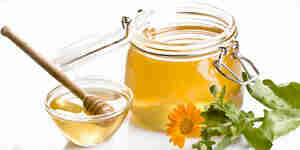
Raising honey bees is a fascinating and worthwhile endeavor. It can also be an inexpensive hobby. Besides being able to harvest your own honey, raising bees also helps nature through pollination. If you are just starting out, the information below will give you a head start on raising your own hive.
- Getting bees. There are several types of honey bees found worldwide. The Eastern Honey Bee (Apis cerana) and the Western Honey Bee (Apis mellifera) are the most commonly used species raised by beekeepers. You can purchase bees through a local supplier. Bee supply stores may also have a swarm retrieval list. Occasionally, beekeepers are called on to collect bee swarms found near residential areas. This is how most beekeepers start out. You can also set up a hive to attract a swarm of bees. One method of attracting bees is to put an open jar of honey in the new hive. However, this method has a disadvantage: it can also attract pests such as ants or hornets.
- Location. Honey bees need a good location with access to plants in order to produce the products they are known for. The plants they visit greatly affect honey bee products. For example, honey is made from nectar and is a major food source for the honey bee colony. The honey's flavor depends on the type of flower the bees frequent. Clover honey gets its name because the bees frequent large patches of clover near the beehive. Bees also use pollen as a source of protein necessary for rearing their brood. The honey and pollen are normally stored in the hive's honeycomb cells.
- Understand the life cycle of honey bees. You cannot raise a hive without knowing the bees' life cycle. Every hive has one queen bee. It is the only fertile female in the hive. There are also thousands of drone bees (fertile males) and an even larger number of worker bees (sterile females). The queen bee lays her eggs within the honeycomb cells, typically one egg per cell. Once the eggs are laid, worker bees take care of them. When an egg hatches, the larva is fed royal jelly produced by the worker bees. Later on, it is fed honey and pollen. The larva undergoes several molts before it spins a cocoon, pupates and emerges as an adult bee. Drones hatch from unfertilized eggs, while females hatch from fertilized eggs. A larva that was fed solely on royal jelly will develop into a queen bee. When a queen bee emerges, she mates with the drones. After this, the new queen, along with a large group of worker bees, swarms and seeks out a new nest site to begin a new hive.
- Honey bee products. The most popular product of honey bees is honey. You can typically harvest about 24 to 30 pounds of honey in a year from a single hive. Beeswax can be used to make candles. It is also used in cosmetics, pharmaceuticals and even polishing materials. Propolis, a resinous mixture used by bees to seal unwanted cracks in the hive, has various medical uses.
Some places require you to register as a beekeeper, so check with your local authorities first before setting up a honey bee hive. You can maintain a honey bee operation almost anywhere. While not much money can be made from a single hive, the fun of raising your own hive is very much worth it!
Make a Honey Bee Hive
A beginner's guide to starting and maintaining a honey bee hive, covering how to get bees, choose a location, understand the bee life cycle, and use hive products.
Raising honey bees is a fascinating and worthwhile endeavor. It can also be an inexpensive hobby. Besides being able to harvest your own honey, raising bees also helps nature through pollination. If you are just starting out, the information below will give you a head start on raising your own hive.
- Getting bees. There are several types of honey bees found worldwide. The Eastern Honey Bee (Apis cerana) and the Western Honey Bee (Apis mellifera) are the most commonly used species raised by beekeepers. You can purchase bees through a local supplier. Bee supply stores may also have a swarm retrieval list. Occasionally, beekeepers are called on to collect bee swarms found near residential areas. This is how most beekeepers start out. You can also set up a hive to attract a swarm of bees. One method of attracting bees is to put an open jar of honey in the new hive. However, this method has a disadvantage: it can also attract pests such as ants or hornets.
- Location. Honey bees need a good location with access to plants in order to produce the products they are known for. The plants they visit greatly affect honey bee products. For example, honey is made from nectar and is a major food source for the honey bee colony. The honey's flavor depends on the type of flower the bees frequent. Clover honey gets its name because the bees frequent large patches of clover near the beehive. Bees also use pollen as a source of protein necessary for rearing their brood. The honey and pollen are normally stored in the hive's honeycomb cells.
- Understand the life cycle of honey bees. You cannot raise a hive without knowing the bees' life cycle. Every hive has one queen bee. It is the only fertile female in the hive. There are also thousands of drone bees (fertile males) and an even larger number of worker bees (sterile females). The queen bee lays her eggs within the honeycomb cells, typically one egg per cell. Once the eggs are laid, worker bees take care of them. When an egg hatches, the larva is fed royal jelly produced by the worker bees. Later on, it is fed honey and pollen. The larva undergoes several molts before it spins a cocoon, pupates and emerges as an adult bee. Drones hatch from unfertilized eggs, while females hatch from fertilized eggs. A larva that was fed solely on royal jelly will develop into a queen bee. When a queen bee emerges, she mates with the drones. After this, the new queen, along with a large group of worker bees, swarms and seeks out a new nest site to begin a new hive.
- Honey bee products. The most popular product of honey bees is honey. You can typically harvest about 24 to 30 pounds of honey in a year from a single hive. Beeswax can be used to make candles. It is also used in cosmetics, pharmaceuticals and even polishing materials. Propolis, a resinous mixture used by bees to seal unwanted cracks in the hive, has various medical uses.
Some places require you to register as a beekeeper, so check with your local authorities first before setting up a honey bee hive. You can maintain a honey bee operation almost anywhere. While not much money can be made from a single hive, the fun of raising your own hive is very much worth it!
Make a Honey Bee Hive
By Howtodotips
A beginner's guide to starting and maintaining a honey bee hive, covering how to get bees, choose a location, understand the bee life cycle, and use hive products.