Clean a 10-gallon freshwater fish tank at least twice a month by gathering the right materials, unplugging all equipment, cleaning the filter and tank walls, siphoning out no more than 20 percent of the water, and refilling with dechlorinated water.
A 10-gallon freshwater fish tank requires regular maintenance. Given its size, you should clean it at least twice a month. Be a responsible fish owner and follow these steps to keep your fish's habitat clean:
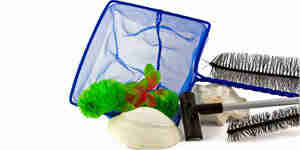
- Gather the materials within easy reach. This is important because you cannot afford delays, and you want to minimize the time your pets' habitat is disturbed. Having everything ready will save time as you work. You will need: paper towels, a siphon, a tank wall scrubber, a dechlorinator, and a bucket.
- Disconnect the tank from its electrical source. Unplug all equipment that uses electricity, such as the filter, lights, and heater. This will ensure your safety while cleaning.
- Clean the filter. Detach the filter from the edge of the tank. The cleaning method depends on the filter model, so check your user's manual for specific instructions. For mechanical filters, empty the remaining contents into the sink, scrub the casing and tubes with soap and water, and rinse well. Wash the gloop off the filter sponge with your hands under running water; if it is too dirty, consider replacing it. Wearing gloves is optional. Put the parts together once you are satisfied they are clean.
- Scrub the sides of the tank. Do not use just any cleaning solution: it can harm your fish's health or even kill them. Use a tank wall scrubber or an algae scraper from the pet store; you will be surprised how quickly algae and dirt buildup come off the glass. For the outside of the tank, use a rag dampened with water only. If water alone is not enough, fish-safe cleaning solutions are available at pet supply shops.
- Siphon some water out of the tank. Decide how much water to remove. This generally depends on your fish's health condition. Strictly speaking, you should never remove more than 20 percent of the water in the tank. Fish can become very sensitive to changes in their environment, so leave enough water for them to remain comfortable. How you use the siphon to remove water depends on the type you have; there are different ways to create suction, so it is best to consult the instructions that came with it. If you need to create suction manually, immerse the entire length of the siphon in the water. Place your thumb over the opening of the smaller end. Lower that end into the bucket, then remove your thumb. If this does not work, follow the specific instructions included with your siphon. Be extra careful not to suck up any rocks or fish.
- Sift through the remaining material at the bottom of the tank. Some debris and waste settle at the bottom of the tank, so you need to sift through the rocks, gravel, and sand to remove them by hand. You can also use the siphon to suck up some of the dirt.
- Prepare the water for refilling the tank. Fill the bucket with clean water, then add a drop of dechlorinator to make it safe for the fish. Wait a few hours before putting it back into the tank.
- Reattach all equipment and plug it back in. Resume normal operation of the tank and enjoy a clearer view of the fish and their environment.
Diligent adherence to your cleaning schedule is vital for keeping your fish healthy and safe from the harm caused by the buildup of toxins in the water.
How to Clean a 10-Gallon Freshwater Fish Tank
Clean a 10-gallon freshwater fish tank at least twice a month by gathering the right materials, unplugging all equipment, cleaning the filter and tank walls, siphoning out no more than 20 percent of the water, and refilling with dechlorinated water.
A 10-gallon freshwater fish tank requires regular maintenance. Given its size, you should clean it at least twice a month. Be a responsible fish owner and follow these steps to keep your fish's habitat clean:
- Gather the materials within easy reach. This is important because you cannot afford delays, and you want to minimize the time your pets' habitat is disturbed. Having everything ready will save time as you work. You will need: paper towels, a siphon, a tank wall scrubber, a dechlorinator, and a bucket.
- Disconnect the tank from its electrical source. Unplug all equipment that uses electricity, such as the filter, lights, and heater. This will ensure your safety while cleaning.
- Clean the filter. Detach the filter from the edge of the tank. The cleaning method depends on the filter model, so check your user's manual for specific instructions. For mechanical filters, empty the remaining contents into the sink, scrub the casing and tubes with soap and water, and rinse well. Wash the gloop off the filter sponge with your hands under running water; if it is too dirty, consider replacing it. Wearing gloves is optional. Put the parts together once you are satisfied they are clean.
- Scrub the sides of the tank. Do not use just any cleaning solution: it can harm your fish's health or even kill them. Use a tank wall scrubber or an algae scraper from the pet store; you will be surprised how quickly algae and dirt buildup come off the glass. For the outside of the tank, use a rag dampened with water only. If water alone is not enough, fish-safe cleaning solutions are available at pet supply shops.
- Siphon some water out of the tank. Decide how much water to remove. This generally depends on your fish's health condition. Strictly speaking, you should never remove more than 20 percent of the water in the tank. Fish can become very sensitive to changes in their environment, so leave enough water for them to remain comfortable. How you use the siphon to remove water depends on the type you have; there are different ways to create suction, so it is best to consult the instructions that came with it. If you need to create suction manually, immerse the entire length of the siphon in the water. Place your thumb over the opening of the smaller end. Lower that end into the bucket, then remove your thumb. If this does not work, follow the specific instructions included with your siphon. Be extra careful not to suck up any rocks or fish.
- Sift through the remaining material at the bottom of the tank. Some debris and waste settle at the bottom of the tank, so you need to sift through the rocks, gravel, and sand to remove them by hand. You can also use the siphon to suck up some of the dirt.
- Prepare the water for refilling the tank. Fill the bucket with clean water, then add a drop of dechlorinator to make it safe for the fish. Wait a few hours before putting it back into the tank.
- Reattach all equipment and plug it back in. Resume normal operation of the tank and enjoy a clearer view of the fish and their environment.
Diligent adherence to your cleaning schedule is vital for keeping your fish healthy and safe from the harm caused by the buildup of toxins in the water.
How to Clean a 10-Gallon Freshwater Fish Tank
By Howtodotips
Clean a 10-gallon freshwater fish tank at least twice a month by gathering the right materials, unplugging all equipment, cleaning the filter and tank walls, siphoning out no more than 20 percent of the water, and refilling with dechlorinated water.