Learn how to build a simple DIY pigeon trap using household items like a cardboard box, a stick, and a string to help manage pest birds in open spaces.
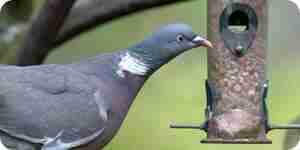
Are you having trouble with pigeons, or are you just a kid at heart wanting to catch them?
Here is a short guide on making pigeon traps using simple items readily available around the household. If you are interested in setting traps or are experiencing issues with pigeons, the following article may be worth your while.
Note that this trap is only effective in open spaces like a garage or a shed. Although it is not generally advised for amateurs to catch and trap birds, this design has been simplified and is especially suited for beginners.
Make sure that you feed the pigeons in the same spot and stay close by for a couple of days so the birds become familiar with you. Here are the steps on how to set a pigeon trap:
- To start with, you will need a cardboard box, a stick, and a string. The cardboard box should be 18 inches long, 10 inches high, and 12 inches wide. Put a weight on one end of the box; a 2x3 or a 2x4 piece of wood is highly advisable. The weight should be parallel with the end of the box. Make sure that you create an opening on top of the box (approximately 6x6 inches or 7x7 inches). You will use this as an access door to retrieve the bird after capturing it.
- Next, tie a string (around 20 feet or more) to a stick measuring about 10-12 inches. Prop the box up at an angle using the stick. The weight should be positioned directly above the stick so that when you pull the stick later, the weight will cause the cardboard box to fall.
- Now, for the capture, put the bait right under the trap. The goal is for the bird to eat the bait while you carefully observe. Once the bird is under the trap, pull the string from 20 feet away. The stick will be pulled out, and the box will fall over the bird, capturing it. Finally, reach into the access door you cut earlier, and voila! You have caught the bird.
The trap described above is only a suggestion and does not guarantee a 100% success rate. It is designed to catch only one bird at a time. There are various commercial traps available on the market suited for different bird species and larger quantities. Pigeons will eat mostly anything, especially corn and bread. Their populations are growing uncontrollably nowadays, increasing the need for traps, as their droppings can cause significant damage.
Pigeon droppings can erode paint and concrete, damaging many buildings. Pigeons have grown accustomed to people feeding them, which has led to a population increase. They are particularly fond of feeding in city parks and on rooftops. Traps should be placed on a flat surface, such as the ground or rooftops where the birds frequent. For a higher success rate, shade and water should be nearby. Shade is crucial because pigeons need shelter from the heat. Remember to feed them in the same spot daily to make them accustomed to eating in that area, and ensure your bait is clearly visible; bait that cannot be easily seen is ineffective.
How to Set Pigeon Traps
Learn how to build a simple DIY pigeon trap using household items like a cardboard box, a stick, and a string to help manage pest birds in open spaces.
Are you having trouble with pigeons, or are you just a kid at heart wanting to catch them?
Here is a short guide on making pigeon traps using simple items readily available around the household. If you are interested in setting traps or are experiencing issues with pigeons, the following article may be worth your while.
Note that this trap is only effective in open spaces like a garage or a shed. Although it is not generally advised for amateurs to catch and trap birds, this design has been simplified and is especially suited for beginners.
Make sure that you feed the pigeons in the same spot and stay close by for a couple of days so the birds become familiar with you. Here are the steps on how to set a pigeon trap:
- To start with, you will need a cardboard box, a stick, and a string. The cardboard box should be 18 inches long, 10 inches high, and 12 inches wide. Put a weight on one end of the box; a 2x3 or a 2x4 piece of wood is highly advisable. The weight should be parallel with the end of the box. Make sure that you create an opening on top of the box (approximately 6x6 inches or 7x7 inches). You will use this as an access door to retrieve the bird after capturing it.
- Next, tie a string (around 20 feet or more) to a stick measuring about 10-12 inches. Prop the box up at an angle using the stick. The weight should be positioned directly above the stick so that when you pull the stick later, the weight will cause the cardboard box to fall.
- Now, for the capture, put the bait right under the trap. The goal is for the bird to eat the bait while you carefully observe. Once the bird is under the trap, pull the string from 20 feet away. The stick will be pulled out, and the box will fall over the bird, capturing it. Finally, reach into the access door you cut earlier, and voila! You have caught the bird.
The trap described above is only a suggestion and does not guarantee a 100% success rate. It is designed to catch only one bird at a time. There are various commercial traps available on the market suited for different bird species and larger quantities. Pigeons will eat mostly anything, especially corn and bread. Their populations are growing uncontrollably nowadays, increasing the need for traps, as their droppings can cause significant damage.
Pigeon droppings can erode paint and concrete, damaging many buildings. Pigeons have grown accustomed to people feeding them, which has led to a population increase. They are particularly fond of feeding in city parks and on rooftops. Traps should be placed on a flat surface, such as the ground or rooftops where the birds frequent. For a higher success rate, shade and water should be nearby. Shade is crucial because pigeons need shelter from the heat. Remember to feed them in the same spot daily to make them accustomed to eating in that area, and ensure your bait is clearly visible; bait that cannot be easily seen is ineffective.
How to Set Pigeon Traps
By Howtodotips
Learn how to build a simple DIY pigeon trap using household items like a cardboard box, a stick, and a string to help manage pest birds in open spaces.