Learn how to set up a saltwater aquarium and provide the proper care, supplies, and food for your pet hermit crab.
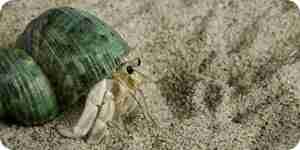
Hermit crabs, with their colorful shells and large pincers, can be an interesting addition to a busy household. Even though these critters may not be considered pets as readily as a dog or cat, they are certainly more fun than an aquarium full of fish. Caring for them is no harder than caring for fish, either. The supplies needed to care for hermit crabs are simple: shelter, food, water, and a clean, warm, humid environment are all your pet needs. With the right supplies and care, hermit crabs will thrive for quite a long time.
To take care of your hermit crab:
- You will need an aquarium or terrarium for the hermit crabs to live in. Glass aquariums or terrariums work best because the glass helps keep the temperature stable and is easy to keep clean. It is also important that the aquarium has a lid, otherwise the humidity will not remain at a constant level.
The hermit crab habitat (also known as the "crabitat") will need a humidity gauge. The humidity should remain between 70% and 80%, with a temperature of 72 to 79 degrees. The humidity and temperature can be regulated using an under-tank heater and an air pump connected to an air stone located in a water dish.
The aquarium will need a substrate placed at the bottom. Sand works best because it is easy for the crabs to dig in.
Extra shells are always needed because the crabs will outgrow the ones they are in. Shells should have a circular or oval opening at least as big as the crab's large pincer. There should always be two shells of each size for the hermit crabs to choose from. Never force a crab out of its shell. Before being placed in the crabitat, any new hermit crab shells should be boiled in crab water, which is simply tap water that has been dechlorinated, or dechlorinated saltwater. Boiling these shells is important because they could contain bacteria that could kill the crabs; boiling kills the bacteria and any other germs. - Food and water will have to be provided for the hermit crabs. The dishes needed for these can be as simple as large shells or as elaborate as water dishes that connect to an air pump to help keep the humidity correct. The main thing to remember with water dishes is that they need to be large enough for the largest hermit crab to climb into. Two dishes are required: one for freshwater and one for saltwater.
Freshwater has to be dechlorinated. Tap water can be used if it is dechlorinated with a water conditioner found in the aquarium supply section. Bottled water can also be used if it is natural spring water.
Hermit crabs also need saltwater, but do not use table salt. Marine salt, which is safe for hermit crabs, can be found in the aquarium supply section as well. Saltwater must also be dechlorinated before use in the crabitat.
Both the freshwater and saltwater dishes will need natural sponges placed in them so that smaller hermit crabs can get in and out without drowning.
Make sure you know what hermit crabs eat. Feeding hermit crabs has become a universal discussion regarding what is safe for them. According to some hermit crab owners, commercial pellets should not be fed because they contain ingredients that can ultimately kill the crabs. These owners insist on using natural foods, such as meats that are raw or cooked without any seasonings. If you decide to feed your hermit crabs natural foods, it is important to provide a balanced meal by offering meats, fruits, and vegetables. 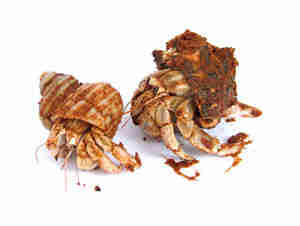 Other supplies needed in the crabitat are structures that the crabs can use as shelter. Hermit crabs are nocturnal, so they need an area to escape from the daily activities surrounding them. There are many types of shelters available, from coconut huts to hollow logs. A trip to the aquarium section of the local pet store can often provide just what the hermit crab needs. While at the pet store, look for other accessories for the crabitat, such as climbing toys. Cholla wood, cork bark, and large pieces of coral are great because hermit crabs can not only grip and climb them, but also snack on them. Driftwood, wicker baskets, and crab nets also work well in the crabitat.
- Caring for hermit crabs involves more than just setting up the crabitat. The owner needs to check the temperature and humidity daily, as well as remove any food left over from the night before. The owner should also watch for hermit crabs that are digging in the sand and burying themselves. If these crabs do not come back up and eat daily, they are most likely molting and will need to be moved to an isolation tank. An isolation tank is usually a 10-gallon aquarium that contains sand, water, hermit crab food, and some type of shelter. Isolation tanks do not require as much attention as the main crabitat because the crabs are inactive when molting and are only in the tank during the molt, after which they are returned to the main crabitat.
- Weekly, the hermit crab owner will need to replace both the freshwater and saltwater, swap sponges, and clean the old sponge by rinsing it with fresh crab water, allowing it to dry, and then microwaving it for two minutes. The crabitat will also need to be spot-cleaned for any hermit crab feces.
- Lastly, every six months, the crabitat should be thoroughly cleaned. The sand should be cleaned or replaced, toys need to be washed, and any wood used should be microwaved for about two minutes.
With these facts, you now know how to care for your pet. With the correct crabitat setup and proper care, a hermit crab owner will have the opportunity to enjoy their critters for a long time.
Create a Hermit Crab Habitat: Supplies, Shells, Aquarium, and Food
Learn how to set up a saltwater aquarium and provide the proper care, supplies, and food for your pet hermit crab.
Hermit crabs, with their colorful shells and large pincers, can be an interesting addition to a busy household. Even though these critters may not be considered pets as readily as a dog or cat, they are certainly more fun than an aquarium full of fish. Caring for them is no harder than caring for fish, either. The supplies needed to care for hermit crabs are simple: shelter, food, water, and a clean, warm, humid environment are all your pet needs. With the right supplies and care, hermit crabs will thrive for quite a long time.
To take care of your hermit crab:
- You will need an aquarium or terrarium for the hermit crabs to live in. Glass aquariums or terrariums work best because the glass helps keep the temperature stable and is easy to keep clean. It is also important that the aquarium has a lid, otherwise the humidity will not remain at a constant level.
The hermit crab habitat (also known as the "crabitat") will need a humidity gauge. The humidity should remain between 70% and 80%, with a temperature of 72 to 79 degrees. The humidity and temperature can be regulated using an under-tank heater and an air pump connected to an air stone located in a water dish.
The aquarium will need a substrate placed at the bottom. Sand works best because it is easy for the crabs to dig in.
Extra shells are always needed because the crabs will outgrow the ones they are in. Shells should have a circular or oval opening at least as big as the crab's large pincer. There should always be two shells of each size for the hermit crabs to choose from. Never force a crab out of its shell. Before being placed in the crabitat, any new hermit crab shells should be boiled in crab water, which is simply tap water that has been dechlorinated, or dechlorinated saltwater. Boiling these shells is important because they could contain bacteria that could kill the crabs; boiling kills the bacteria and any other germs. - Food and water will have to be provided for the hermit crabs. The dishes needed for these can be as simple as large shells or as elaborate as water dishes that connect to an air pump to help keep the humidity correct. The main thing to remember with water dishes is that they need to be large enough for the largest hermit crab to climb into. Two dishes are required: one for freshwater and one for saltwater.
Freshwater has to be dechlorinated. Tap water can be used if it is dechlorinated with a water conditioner found in the aquarium supply section. Bottled water can also be used if it is natural spring water.
Hermit crabs also need saltwater, but do not use table salt. Marine salt, which is safe for hermit crabs, can be found in the aquarium supply section as well. Saltwater must also be dechlorinated before use in the crabitat.
Both the freshwater and saltwater dishes will need natural sponges placed in them so that smaller hermit crabs can get in and out without drowning.
Make sure you know what hermit crabs eat. Feeding hermit crabs has become a universal discussion regarding what is safe for them. According to some hermit crab owners, commercial pellets should not be fed because they contain ingredients that can ultimately kill the crabs. These owners insist on using natural foods, such as meats that are raw or cooked without any seasonings. If you decide to feed your hermit crabs natural foods, it is important to provide a balanced meal by offering meats, fruits, and vegetables. - Other supplies needed in the crabitat are structures that the crabs can use as shelter. Hermit crabs are nocturnal, so they need an area to escape from the daily activities surrounding them. There are many types of shelters available, from coconut huts to hollow logs. A trip to the aquarium section of the local pet store can often provide just what the hermit crab needs. While at the pet store, look for other accessories for the crabitat, such as climbing toys. Cholla wood, cork bark, and large pieces of coral are great because hermit crabs can not only grip and climb them, but also snack on them. Driftwood, wicker baskets, and crab nets also work well in the crabitat.
- Caring for hermit crabs involves more than just setting up the crabitat. The owner needs to check the temperature and humidity daily, as well as remove any food left over from the night before. The owner should also watch for hermit crabs that are digging in the sand and burying themselves. If these crabs do not come back up and eat daily, they are most likely molting and will need to be moved to an isolation tank. An isolation tank is usually a 10-gallon aquarium that contains sand, water, hermit crab food, and some type of shelter. Isolation tanks do not require as much attention as the main crabitat because the crabs are inactive when molting and are only in the tank during the molt, after which they are returned to the main crabitat.
- Weekly, the hermit crab owner will need to replace both the freshwater and saltwater, swap sponges, and clean the old sponge by rinsing it with fresh crab water, allowing it to dry, and then microwaving it for two minutes. The crabitat will also need to be spot-cleaned for any hermit crab feces.
- Lastly, every six months, the crabitat should be thoroughly cleaned. The sand should be cleaned or replaced, toys need to be washed, and any wood used should be microwaved for about two minutes.
With these facts, you now know how to care for your pet. With the correct crabitat setup and proper care, a hermit crab owner will have the opportunity to enjoy their critters for a long time.
Create a Hermit Crab Habitat: Supplies, Shells, Aquarium, and Food
By Howtodotips
Learn how to set up a saltwater aquarium and provide the proper care, supplies, and food for your pet hermit crab.