Find out what bed bugs look like, where they live, and how to exterminate them.
‘Good night, sleep tight, don't let the bed bugs bite.’ This common goodnight verse may be truer than you think. Bed bugs are worldwide travelers, notorious for latching on to luggage and stowing away to a new destination. Considering all the travelers and the hotels and motels around the world, it is easy to understand why bed bugs seem to be making a comeback.
Where do bed bugs come from? Bed bugs are very small and often make their way into your house after traveling. Bed bugs often end up infesting entire apartment buildings or hotels—and it can be very expensive to get rid of them on that scale. Here is more information about this notorious traveler:
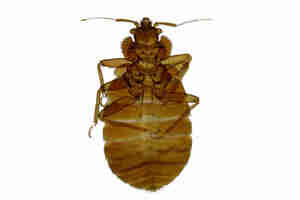
- Bed Bugs — A bed bug is typically a brownish-colored, wingless insect between one-fourth and half an inch long. They look a lot like ticks; see the bed bug pictures below. Bed bugs can survive for up to a year without feeding on a blood source, so figuring out how to kill bed bugs is a real challenge. These parasites are able to hide in small cracks and crevices, are difficult to find, and even harder to eradicate. Females can lay up to 300 eggs, which hatch within ten days, creating an ever-growing population.
- Bed Bug Bites — Often, bed bug bites are the easiest way to tell you have bed bugs. A bed bug's main source of nutrition is blood, and they bite using their beak-like mouths, piercing the skin. Different people react to bed bug bites in different ways. Some may never know they have been bitten, while others may experience severe inflammation and possible infection as some of their bed bug symptoms. Most bites are so small that they cannot be felt. However, a typical sign of a bed bug bite is a small, swollen, white welt at the bite location. Many people bitten by bed bugs experience pronounced itching in the bite area. Be aware: although most bed bug bites are just annoying, some people experience asthma, hives, and even dangerous, life-threatening allergies.
- Finding Bed Bugs — Bed bugs are good at hiding. In fact, you really have to search and know what you are looking for before you may find one. In many instances, evidence of a bed bug is discovered rather than the actual bug itself. Rusty spots on sheets and mattresses caused by a crushed bug or a bug's fecal matter (which looks like tiny black specks or very small dots of blood) may be the first indication that a bed bug infestation has occurred, along with eggshells and shed skin. Most bed bugs can be found in the crevices and cracks of mattresses, chairs, and sofas. They are often found between the headboard and a wall as well. Because bed bugs prefer wood and fabric over plastic and metal, they tend to dwell in more lived-in areas of a home or building, such as a bedroom or hotel room. If you are not sure whether you have bed bugs, many exterminators can give your home a professional inspection. While some pest control companies will do this for free, other exterminators charge up to $200. There are even specialized bed bug exterminator companies that use trained dogs to sniff out bed bugs; however, this service is significantly more expensive than a standard inspection. Still, dogs can help you find out if you have a bed bug infestation.
Getting Rid of Bed Bugs — Once an infestation has occurred, patience and persistence are the keys to ridding the area of bed bugs. If you are determined to get rid of bed bugs yourself without hiring an exterminator, it is not enough to clean the mattresses and launder the sheets. Furniture should be overturned and cleaned. Carpeting, wood molding, door jambs, picture frames, and closets should be inspected as well. Bed bugs can hide behind loose wallpaper, in the crevices between carpets and walls, behind outlet covers, and inside light fixtures, smoke detectors, and even clocks. Removable, washable items can be laundered in very hot water. For areas or items that cannot be laundered, smaller items can be wrapped in plastic and set in a hot place or in direct sunlight. The key is to raise the temperature to at least 120 degrees Fahrenheit for several hours to kill the eggs and the bugs. Vacuuming and steam cleaning may also be done, but any bags or canisters should be thrown away or emptied outside the area immediately to prevent another infestation. Unfortunately, it is very hard to find all bed bugs and all bed bug eggs; that is why the best method of removing them is through the services of a professional.
When choosing a professional bed bug exterminator, be careful! Many companies that only specialize in bed bugs are not as qualified as full-service pest control companies. Your best bet is to find an established pest control service company that has been in service for at least five years. You might also ask around and see if anyone you know, or look at review sites (like Yelp.com), has recommendations for specific pest control services. Also, make sure the pest control company you choose is certified in your state. Exterminators can be pretty expensive; expect to pay between $250 and $1,000 per room. You will also want to choose a pest control company that will make follow-up visits; these are usually necessary for bed bug elimination.
Once you sift through the exterminators and make a decision, make sure they are using effective pesticides and bed bug control methods. Usually, exterminators will use a combination of pesticides and steam heat. Bed bugs only die from heat if the temperature is at least 120 degrees Fahrenheit sustained for several hours. Do not use a pest control company that uses bug foggers or bug bombs as their method for bed bugs; these methods do not work. The only effective pesticide methods for bed bug extermination include direct contact.
- Don’t Try These Methods — Finally, there are several methods that are totally useless and should not even be considered. Bug bombs and aerosol pesticides will not rid an area of bed bugs. While extreme hot and cold temperatures may affect the infestation, below-freezing temperatures will only work if those temperatures remain below freezing for over two weeks.
Get Rid of Bed Bugs: DIY and Exterminators
Find out what bed bugs look like, where they live, and how to exterminate them.
‘Good night, sleep tight, don't let the bed bugs bite.’ This common goodnight verse may be truer than you think. Bed bugs are worldwide travelers, notorious for latching on to luggage and stowing away to a new destination. Considering all the travelers and the hotels and motels around the world, it is easy to understand why bed bugs seem to be making a comeback.
Where do bed bugs come from? Bed bugs are very small and often make their way into your house after traveling. Bed bugs often end up infesting entire apartment buildings or hotels—and it can be very expensive to get rid of them on that scale. Here is more information about this notorious traveler:
- Bed Bugs — A bed bug is typically a brownish-colored, wingless insect between one-fourth and half an inch long. They look a lot like ticks; see the bed bug pictures below. Bed bugs can survive for up to a year without feeding on a blood source, so figuring out how to kill bed bugs is a real challenge. These parasites are able to hide in small cracks and crevices, are difficult to find, and even harder to eradicate. Females can lay up to 300 eggs, which hatch within ten days, creating an ever-growing population.
- Bed Bug Bites — Often, bed bug bites are the easiest way to tell you have bed bugs. A bed bug's main source of nutrition is blood, and they bite using their beak-like mouths, piercing the skin. Different people react to bed bug bites in different ways. Some may never know they have been bitten, while others may experience severe inflammation and possible infection as some of their bed bug symptoms. Most bites are so small that they cannot be felt. However, a typical sign of a bed bug bite is a small, swollen, white welt at the bite location. Many people bitten by bed bugs experience pronounced itching in the bite area. Be aware: although most bed bug bites are just annoying, some people experience asthma, hives, and even dangerous, life-threatening allergies.
- Finding Bed Bugs — Bed bugs are good at hiding. In fact, you really have to search and know what you are looking for before you may find one. In many instances, evidence of a bed bug is discovered rather than the actual bug itself. Rusty spots on sheets and mattresses caused by a crushed bug or a bug's fecal matter (which looks like tiny black specks or very small dots of blood) may be the first indication that a bed bug infestation has occurred, along with eggshells and shed skin. Most bed bugs can be found in the crevices and cracks of mattresses, chairs, and sofas. They are often found between the headboard and a wall as well. Because bed bugs prefer wood and fabric over plastic and metal, they tend to dwell in more lived-in areas of a home or building, such as a bedroom or hotel room. If you are not sure whether you have bed bugs, many exterminators can give your home a professional inspection. While some pest control companies will do this for free, other exterminators charge up to $200. There are even specialized bed bug exterminator companies that use trained dogs to sniff out bed bugs; however, this service is significantly more expensive than a standard inspection. Still, dogs can help you find out if you have a bed bug infestation.
Getting Rid of Bed Bugs — Once an infestation has occurred, patience and persistence are the keys to ridding the area of bed bugs. If you are determined to get rid of bed bugs yourself without hiring an exterminator, it is not enough to clean the mattresses and launder the sheets. Furniture should be overturned and cleaned. Carpeting, wood molding, door jambs, picture frames, and closets should be inspected as well. Bed bugs can hide behind loose wallpaper, in the crevices between carpets and walls, behind outlet covers, and inside light fixtures, smoke detectors, and even clocks. Removable, washable items can be laundered in very hot water. For areas or items that cannot be laundered, smaller items can be wrapped in plastic and set in a hot place or in direct sunlight. The key is to raise the temperature to at least 120 degrees Fahrenheit for several hours to kill the eggs and the bugs. Vacuuming and steam cleaning may also be done, but any bags or canisters should be thrown away or emptied outside the area immediately to prevent another infestation. Unfortunately, it is very hard to find all bed bugs and all bed bug eggs; that is why the best method of removing them is through the services of a professional.
When choosing a professional bed bug exterminator, be careful! Many companies that only specialize in bed bugs are not as qualified as full-service pest control companies. Your best bet is to find an established pest control service company that has been in service for at least five years. You might also ask around and see if anyone you know, or look at review sites (like Yelp.com), has recommendations for specific pest control services. Also, make sure the pest control company you choose is certified in your state. Exterminators can be pretty expensive; expect to pay between $250 and $1,000 per room. You will also want to choose a pest control company that will make follow-up visits; these are usually necessary for bed bug elimination.
Once you sift through the exterminators and make a decision, make sure they are using effective pesticides and bed bug control methods. Usually, exterminators will use a combination of pesticides and steam heat. Bed bugs only die from heat if the temperature is at least 120 degrees Fahrenheit sustained for several hours. Do not use a pest control company that uses bug foggers or bug bombs as their method for bed bugs; these methods do not work. The only effective pesticide methods for bed bug extermination include direct contact.
- Don’t Try These Methods — Finally, there are several methods that are totally useless and should not even be considered. Bug bombs and aerosol pesticides will not rid an area of bed bugs. While extreme hot and cold temperatures may affect the infestation, below-freezing temperatures will only work if those temperatures remain below freezing for over two weeks.
Get Rid of Bed Bugs: DIY and Exterminators
By Howtodotips
Find out what bed bugs look like, where they live, and how to exterminate them.