Turn your morning coffee waste into plant food
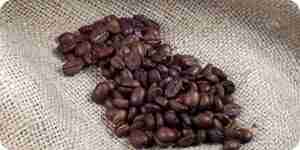
Maybe you are one of many people trying to reduce the amount of trash you produce. Maybe you are wondering why your local coffee shop gives away its waste coffee grounds to gardeners. Or maybe you are just looking for a free source of nutrients for your garden. The answer to all three questions is the same: coffee grounds are easy to use in the garden, to make compost, or as plant food.
To compost with coffee:
- Source your coffee grounds. If you cannot function without a proper cup of coffee in the morning, you probably brew your own. If so, you have a ready supply of coffee grounds to use in the garden. If you are not a coffee drinker or do not have a coffee machine, you will have to find a local coffee shop that gives its waste grounds away—or maybe there is a coffee machine at work you can empty.
- Use them fresh. Because they are damp and full of nutrients, coffee grounds quickly begin to mold. Moldy coffee grounds are still fine to use, but they do not look as attractive, so you may prefer to compost them rather than use them as mulch.
- Mulch. If you want a low-maintenance garden, you can simply toss your waste coffee grounds onto the soil as mulch. Their dark color absorbs heat from the sun and can help warm the soil, and they add nutrients to the soil as they break down.
- Deter pests. Another advantage of using coffee grounds directly on the soil is that they can deter pests. Slugs and snails are not fond of the caffeine or the gritty texture, and they might go elsewhere for a meal. If you have a problem with cats using your garden as a litter box, a coffee mulch can help disguise the smell and encourage them to 'go' elsewhere. If you have access to a regular supply of coffee grounds, it is worth experimenting to see whether the smell confuses carrot flies and other pests that find their way to your plants by smell.
- Make a liquid feed. Put about a pound of coffee grounds into a bucket or watering can with 5 gallons of water, let it sit and warm up for a little while, and you have a nitrogen-rich feed that you can use on hungry plants in your garden. The resulting feed will be slightly acidic—good for acid-loving plants such as camellias, azaleas, gardenias, hydrangeas, rhododendrons, and blueberries. You can use it elsewhere, but keep an eye on your soil pH by testing your soil each season with a soil pH meter or garden chemistry test kit.
- Add coffee grounds to your compost heap. If you have a compost heap, you can add coffee grounds—filters and all—to your heap. The carbon-to-nitrogen ratio of coffee grounds is around 20:1, which means it adds a nitrogen boost to your heap that can kick-start the composting process or compensate for a lot of carbon-rich 'brown' materials (woody plant stems, crumpled paper, or cardboard). The C:N ratio of coffee grounds is similar to that of grass clippings, and because the grounds have been ground up, they have a large surface area and break down quickly.
- Give your worms a boost. You can also add coffee grounds to your worm composter; the worms will love munching their way through them. In a worm composter, you need to keep a careful eye on pH levels to keep your worms happy. Balance out the acidic coffee grounds with some lime or crushed eggshells.
If you are a real coffee addict, you will also appreciate the final bonus it brings to your garden: everywhere you go in your garden, you will get that fresh coffee aroma!
Compost with coffee
Turn your morning coffee waste into plant food
Maybe you are one of many people trying to reduce the amount of trash you produce. Maybe you are wondering why your local coffee shop gives away its waste coffee grounds to gardeners. Or maybe you are just looking for a free source of nutrients for your garden. The answer to all three questions is the same: coffee grounds are easy to use in the garden, to make compost, or as plant food.
To compost with coffee:
- Source your coffee grounds. If you cannot function without a proper cup of coffee in the morning, you probably brew your own. If so, you have a ready supply of coffee grounds to use in the garden. If you are not a coffee drinker or do not have a coffee machine, you will have to find a local coffee shop that gives its waste grounds away—or maybe there is a coffee machine at work you can empty.
- Use them fresh. Because they are damp and full of nutrients, coffee grounds quickly begin to mold. Moldy coffee grounds are still fine to use, but they do not look as attractive, so you may prefer to compost them rather than use them as mulch.
- Mulch. If you want a low-maintenance garden, you can simply toss your waste coffee grounds onto the soil as mulch. Their dark color absorbs heat from the sun and can help warm the soil, and they add nutrients to the soil as they break down.
- Deter pests. Another advantage of using coffee grounds directly on the soil is that they can deter pests. Slugs and snails are not fond of the caffeine or the gritty texture, and they might go elsewhere for a meal. If you have a problem with cats using your garden as a litter box, a coffee mulch can help disguise the smell and encourage them to 'go' elsewhere. If you have access to a regular supply of coffee grounds, it is worth experimenting to see whether the smell confuses carrot flies and other pests that find their way to your plants by smell.
- Make a liquid feed. Put about a pound of coffee grounds into a bucket or watering can with 5 gallons of water, let it sit and warm up for a little while, and you have a nitrogen-rich feed that you can use on hungry plants in your garden. The resulting feed will be slightly acidic—good for acid-loving plants such as camellias, azaleas, gardenias, hydrangeas, rhododendrons, and blueberries. You can use it elsewhere, but keep an eye on your soil pH by testing your soil each season with a soil pH meter or garden chemistry test kit.
- Add coffee grounds to your compost heap. If you have a compost heap, you can add coffee grounds—filters and all—to your heap. The carbon-to-nitrogen ratio of coffee grounds is around 20:1, which means it adds a nitrogen boost to your heap that can kick-start the composting process or compensate for a lot of carbon-rich 'brown' materials (woody plant stems, crumpled paper, or cardboard). The C:N ratio of coffee grounds is similar to that of grass clippings, and because the grounds have been ground up, they have a large surface area and break down quickly.
- Give your worms a boost. You can also add coffee grounds to your worm composter; the worms will love munching their way through them. In a worm composter, you need to keep a careful eye on pH levels to keep your worms happy. Balance out the acidic coffee grounds with some lime or crushed eggshells.
If you are a real coffee addict, you will also appreciate the final bonus it brings to your garden: everywhere you go in your garden, you will get that fresh coffee aroma!
Compost with coffee
By Howtodotips
Turn your morning coffee waste into plant food