This guide offers practical advice for tuning a radio dial manually, covering volume control, FM indicators, preset organization, and interference reduction, while noting that digital alternatives are becoming more common.
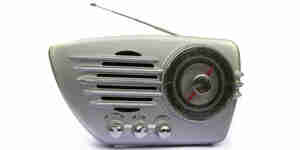
Are you fond of listening to radios? Have you ever had a hard time tuning a radio dial? Tuning to your favorite radio station can sometimes be tricky, especially when using a clock radio where you need steady hands to move the tuner accurately to your desired station. However, with practice and perhaps some tips, anyone can learn how to easily tune a radio dial.
Here are some tips on how to tune a radio dial:
- Press the tuner or knob firmly while moving it to keep your movements steady. Avoid moving the tuner too fast, as you do not want to skip right past your desired station or land on the wrong one. It may also help if the stereo's tuner is easy to handle with your fingers.
- Set your volume to a medium level. Volume that is too low or too high might make it difficult to identify a station, as it could drown out the radio host's voice.
- Do not forget to check your FM indicator. It is an LED that turns on when you have tuned into an FM station whose signal is strong.
- When you have successfully tuned into your desired station, look at your radio dial and try to memorize its position. It will help you in the future to know where your dial should be for each station.
- If preset buttons are available on your radio, it is advisable to set your station selections in an orderly manner. For example, if you tune into stations 101.1, 102.7, and 101.9, presetting them in ascending order (101.1, then 101.9, then 102.7) will help you remember your presets easily. It will also help you select stations without looking, especially when driving or doing something else. It will also make it easier to re-enter them in case you forget them.
- Devices that might cause interference should also be moved away from the radio. Poor signal reception can be boosted by attaching a metal object to the antenna of the radio. You might also want to raise the height of the radio's antenna.
With the rapid growth of technology, radio dials are becoming less common on modern radios. But if you still have one of those old radios at home or in the car, whether because you prefer them over the modern ones or cannot afford to buy a new one, keeping these tips in mind might be of help. Ultimately, it is up to you to practice them. However, if you have the budget, you might want to consider buying a digital tuning clock radio that is easy to read and more accurate.
Tune a Radio Dial
This guide offers practical advice for tuning a radio dial manually, covering volume control, FM indicators, preset organization, and interference reduction, while noting that digital alternatives are becoming more common.
Are you fond of listening to radios? Have you ever had a hard time tuning a radio dial? Tuning to your favorite radio station can sometimes be tricky, especially when using a clock radio where you need steady hands to move the tuner accurately to your desired station. However, with practice and perhaps some tips, anyone can learn how to easily tune a radio dial.
Here are some tips on how to tune a radio dial:
- Press the tuner or knob firmly while moving it to keep your movements steady. Avoid moving the tuner too fast, as you do not want to skip right past your desired station or land on the wrong one. It may also help if the stereo's tuner is easy to handle with your fingers.
- Set your volume to a medium level. Volume that is too low or too high might make it difficult to identify a station, as it could drown out the radio host's voice.
- Do not forget to check your FM indicator. It is an LED that turns on when you have tuned into an FM station whose signal is strong.
- When you have successfully tuned into your desired station, look at your radio dial and try to memorize its position. It will help you in the future to know where your dial should be for each station.
- If preset buttons are available on your radio, it is advisable to set your station selections in an orderly manner. For example, if you tune into stations 101.1, 102.7, and 101.9, presetting them in ascending order (101.1, then 101.9, then 102.7) will help you remember your presets easily. It will also help you select stations without looking, especially when driving or doing something else. It will also make it easier to re-enter them in case you forget them.
- Devices that might cause interference should also be moved away from the radio. Poor signal reception can be boosted by attaching a metal object to the antenna of the radio. You might also want to raise the height of the radio's antenna.
With the rapid growth of technology, radio dials are becoming less common on modern radios. But if you still have one of those old radios at home or in the car, whether because you prefer them over the modern ones or cannot afford to buy a new one, keeping these tips in mind might be of help. Ultimately, it is up to you to practice them. However, if you have the budget, you might want to consider buying a digital tuning clock radio that is easy to read and more accurate.
Tune a Radio Dial
By Howtodotips
This guide offers practical advice for tuning a radio dial manually, covering volume control, FM indicators, preset organization, and interference reduction, while noting that digital alternatives are becoming more common.