Learn how to find headache relief during pregnancy

Headaches during pregnancy are fairly common. Pregnant women face both physical and mental stressors, and many headaches are caused by stress. In addition, women who had migraines before pregnancy have an increased risk of experiencing them during pregnancy. The challenge with headaches during pregnancy is that there is not much you can do about them.
The following tips cover both natural and medical ways to relieve headaches during pregnancy. You should always consult your care provider about headaches during pregnancy, especially if you are getting them frequently. Often, headaches during pregnancy are not signs of a specific complication, but they may indicate that something is not right. A headache can also be a symptom of a condition unrelated to your pregnancy. If you suddenly develop an intense headache combined with vision changes, swelling of the extremities, abdominal pain, and/or unusual weight gain, contact your care provider immediately, as these are signs of preeclampsia.
Try relieving headaches during pregnancy using one of the following methods:
- Tylenol. Pregnant women can take Tylenol for headache relief, but it must be regular strength, not extra strength. The effects of Tylenol on pregnancy have not been fully determined, and some studies link overuse of Tylenol during pregnancy (more than 4 grams in 48 hours) with birth defects and complications. Because of this, experts recommend that pregnant women take Tylenol sparingly. Try to use it as a last resort for a stubborn headache that will not go away.
- Aspirin and aspirin-based products (such as Advil and Ibuprofen) should not be taken during pregnancy for headache relief, as they may affect an unborn baby's heart, reduce birth weight, and have other harmful effects on the developing baby. Taking aspirin late in pregnancy can also cause excessive bleeding and clotting issues, leading to serious complications during delivery. As with Tylenol, the full effects of aspirin and aspirin-based products during pregnancy have not been determined.
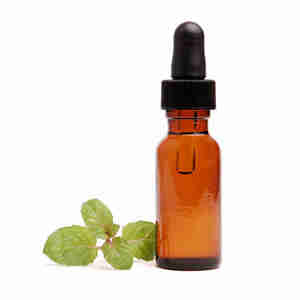 Peppermint essential oil. Peppermint oil is effective for relieving headaches. Simply inhaling it will often eliminate a headache within fifteen minutes to half an hour. No essential oils, including peppermint oil, should be applied directly to the skin unless diluted with a carrier, base, or vegetable oil (not a cooking oil), unless you are experienced in doing so. Examples of carrier oils include almond oil, jojoba oil, and sesame oil. Most essential oils are too concentrated for direct skin contact and can cause allergic reactions. Higher-quality essential oils cost a bit more but work better than cheaper alternatives. Most health food stores and organic food stores carry essential oils.
- Stressors. Headaches are often caused by stress, so focus on keeping your stress level as low as possible. If work is demanding too much of you, consider taking disability leave. If you are struggling to keep up with childcare and household chores, ask a family member, friend, or antepartum (before-birth) doula to help. If life feels overwhelming, take some time for yourself each day. Try meditation, a warm (not hot) bath, a massage, or yoga to reduce stress.
- Look at your lifestyle. Are you listening to your body? Are you getting at least eight hours of sleep per night? If you still feel tired after eight hours, consider increasing your sleep to nine or ten hours. Sometimes, relieving headaches during pregnancy is as simple as getting more rest.
Are you exercising? It is recommended that pregnant women get thirty minutes of light to moderate aerobic exercise per day, though you should speak with your care provider about exercise if you were not active before becoming pregnant. Good forms of exercise during pregnancy include walking, cycling, swimming, and yoga. If you feel exhausted, light-headed, overheated, or short of breath during exercise, stop and contact your care provider.
Are you getting enough quiet time and rest? If you feel constantly tired, try lying down during your lunch break or after work. You do not have to sleep; simply putting your feet up with a book or the television remote can help. Consider disability leave if you feel constantly exhausted or as though your body cannot keep up with your daily demands.
- How are you eating? Are you eating smaller, balanced meals to maintain your blood sugar levels and reduce the risk of headaches? Have you removed headache triggers from your diet? Common triggers include chocolate, yogurt, coffee, citrus fruits, peanuts, and sour cream.
- Identify the type of headache you have. If you have a sinus headache, applying a warm compress to your nose and below your eyes may help. If you have a tension headache, a warm or cold compress around your shoulders may bring relief.
- Acupressure. While acupressure may help with headaches, it is not recommended that you perform it on yourself or without adequate knowledge of acupressure points, as some points can actually trigger the onset of labor. If you wish to use acupressure during pregnancy to relieve headaches, seeing a professional acupressure therapist is your best option, though it may be costly.
We hope this information helps you learn how to relieve headaches during pregnancy and that you enjoy good health throughout your entire pregnancy.
Relieving headaches during pregnancy: pregnancy health
Learn how to find headache relief during pregnancy
Headaches during pregnancy are fairly common. Pregnant women face both physical and mental stressors, and many headaches are caused by stress. In addition, women who had migraines before pregnancy have an increased risk of experiencing them during pregnancy. The challenge with headaches during pregnancy is that there is not much you can do about them.
The following tips cover both natural and medical ways to relieve headaches during pregnancy. You should always consult your care provider about headaches during pregnancy, especially if you are getting them frequently. Often, headaches during pregnancy are not signs of a specific complication, but they may indicate that something is not right. A headache can also be a symptom of a condition unrelated to your pregnancy. If you suddenly develop an intense headache combined with vision changes, swelling of the extremities, abdominal pain, and/or unusual weight gain, contact your care provider immediately, as these are signs of preeclampsia.
Try relieving headaches during pregnancy using one of the following methods:
- Tylenol. Pregnant women can take Tylenol for headache relief, but it must be regular strength, not extra strength. The effects of Tylenol on pregnancy have not been fully determined, and some studies link overuse of Tylenol during pregnancy (more than 4 grams in 48 hours) with birth defects and complications. Because of this, experts recommend that pregnant women take Tylenol sparingly. Try to use it as a last resort for a stubborn headache that will not go away.
- Aspirin and aspirin-based products (such as Advil and Ibuprofen) should not be taken during pregnancy for headache relief, as they may affect an unborn baby's heart, reduce birth weight, and have other harmful effects on the developing baby. Taking aspirin late in pregnancy can also cause excessive bleeding and clotting issues, leading to serious complications during delivery. As with Tylenol, the full effects of aspirin and aspirin-based products during pregnancy have not been determined.
- Peppermint essential oil. Peppermint oil is effective for relieving headaches. Simply inhaling it will often eliminate a headache within fifteen minutes to half an hour. No essential oils, including peppermint oil, should be applied directly to the skin unless diluted with a carrier, base, or vegetable oil (not a cooking oil), unless you are experienced in doing so. Examples of carrier oils include almond oil, jojoba oil, and sesame oil. Most essential oils are too concentrated for direct skin contact and can cause allergic reactions. Higher-quality essential oils cost a bit more but work better than cheaper alternatives. Most health food stores and organic food stores carry essential oils.
- Stressors. Headaches are often caused by stress, so focus on keeping your stress level as low as possible. If work is demanding too much of you, consider taking disability leave. If you are struggling to keep up with childcare and household chores, ask a family member, friend, or antepartum (before-birth) doula to help. If life feels overwhelming, take some time for yourself each day. Try meditation, a warm (not hot) bath, a massage, or yoga to reduce stress.
- Look at your lifestyle. Are you listening to your body? Are you getting at least eight hours of sleep per night? If you still feel tired after eight hours, consider increasing your sleep to nine or ten hours. Sometimes, relieving headaches during pregnancy is as simple as getting more rest.
Are you exercising? It is recommended that pregnant women get thirty minutes of light to moderate aerobic exercise per day, though you should speak with your care provider about exercise if you were not active before becoming pregnant. Good forms of exercise during pregnancy include walking, cycling, swimming, and yoga. If you feel exhausted, light-headed, overheated, or short of breath during exercise, stop and contact your care provider.
Are you getting enough quiet time and rest? If you feel constantly tired, try lying down during your lunch break or after work. You do not have to sleep; simply putting your feet up with a book or the television remote can help. Consider disability leave if you feel constantly exhausted or as though your body cannot keep up with your daily demands.
- How are you eating? Are you eating smaller, balanced meals to maintain your blood sugar levels and reduce the risk of headaches? Have you removed headache triggers from your diet? Common triggers include chocolate, yogurt, coffee, citrus fruits, peanuts, and sour cream.
- Identify the type of headache you have. If you have a sinus headache, applying a warm compress to your nose and below your eyes may help. If you have a tension headache, a warm or cold compress around your shoulders may bring relief.
- Acupressure. While acupressure may help with headaches, it is not recommended that you perform it on yourself or without adequate knowledge of acupressure points, as some points can actually trigger the onset of labor. If you wish to use acupressure during pregnancy to relieve headaches, seeing a professional acupressure therapist is your best option, though it may be costly.
We hope this information helps you learn how to relieve headaches during pregnancy and that you enjoy good health throughout your entire pregnancy.
Relieving headaches during pregnancy: pregnancy health
By Howtodotips
Learn how to find headache relief during pregnancy