Licensing laws for body piercing shops and individual technicians
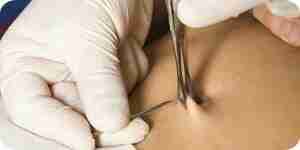
Regulations and policies for the issuance of piercing licenses vary from state to state. There is no single common binding law that regulates the entire piercing industry. However, there are some common and general requirements that should be fulfilled by anyone wanting to become licensed as a piercer. These common requirements relate to body piercing training, regular health and safety, and medical guidelines. If you are interested in getting licensed, it is important to find out the laws, precise procedures, and requirements applicable in your area or state. For the more general requirements and training instructions, read through the steps in this article.
Step 1
Training and education. There are several ways to learn the art of body piercing. There are numerous online courses that offer tutorials, or any number of piercing and tattooing institutes that provide the necessary training. While classroom training or online tutorials and demonstrations might give you a general idea of how things are done, the best way to get proper, legitimate training and experience is to become an apprentice to a qualified, experienced, and professional piercer.
The apprenticeship should be a time-defined and detailed learning period, during which an apprentice will be taken through the various stages of piercing education and the supplementary tests and courses attached to the main curriculum. A good apprenticeship will consist of:
- Basic training course conducted by the Red Cross, OSHA, or other related organization on 'blood-borne pathogens'
- Basic First Aid and CPR certified courses
- A minimum of three months' full-time training in sterilization, cross-contamination, infections, the disinfecting process, and health and safety topics
- Six months to one year of full-time supervised training on piercing techniques
- Hands-on training under supervision on actual piercing sessions
- Classroom training for a minimum of one week covering piercing techniques, basic anatomy, hygiene, and safety with practical training and demonstrations
- Training on jewelry quality and selection, aftercare sessions, customer service, and problem resolution
Step 2
Basic licensing requirements. Some of the basic licensing requirements for individual technicians or body piercing shops and premises where body piercing is done are listed below.
For individual technicians:
- Minimum age of 18 years with a high school diploma or GED equivalent
- Provide a residential address for proof of residence while applying for a license and inform the issuing authorities of any change in address within 30 days
- Provide proof of completion of approved basic courses in First Aid, Blood-borne Pathogens, and infection control, and completion of training in piercing and post-piercing care techniques
For piercing premises:
- Similar age and education qualifications for the facility owner as for individual technicians
- Premises must comply with health, sanitation, and other facility management requirements
- Provide registration information on autoclaves and other equipment to be used for sterilization, or proof of exemption for maintaining pre-sterilized equipment
- Detailed photographs of the premises including the piercing area, sterilization area, and biohazard storage facilities
- Open up premises for yearly inspection at any time as stipulated by the authorities
It is only right that you have some training before giving people body piercings. Getting a piercing license should be a relatively easy process if all of the training and procedural requirements are met. Remember: these requirements may vary from state to state, but the basics will more or less remain the same.
Getting a piercing license: What's needed to do body piercings
Licensing laws for body piercing shops and individual technicians
Regulations and policies for the issuance of piercing licenses vary from state to state. There is no single common binding law that regulates the entire piercing industry. However, there are some common and general requirements that should be fulfilled by anyone wanting to become licensed as a piercer. These common requirements relate to body piercing training, regular health and safety, and medical guidelines. If you are interested in getting licensed, it is important to find out the laws, precise procedures, and requirements applicable in your area or state. For the more general requirements and training instructions, read through the steps in this article.
Step 1
Training and education. There are several ways to learn the art of body piercing. There are numerous online courses that offer tutorials, or any number of piercing and tattooing institutes that provide the necessary training. While classroom training or online tutorials and demonstrations might give you a general idea of how things are done, the best way to get proper, legitimate training and experience is to become an apprentice to a qualified, experienced, and professional piercer.
The apprenticeship should be a time-defined and detailed learning period, during which an apprentice will be taken through the various stages of piercing education and the supplementary tests and courses attached to the main curriculum. A good apprenticeship will consist of:
- Basic training course conducted by the Red Cross, OSHA, or other related organization on 'blood-borne pathogens'
- Basic First Aid and CPR certified courses
- A minimum of three months' full-time training in sterilization, cross-contamination, infections, the disinfecting process, and health and safety topics
- Six months to one year of full-time supervised training on piercing techniques
- Hands-on training under supervision on actual piercing sessions
- Classroom training for a minimum of one week covering piercing techniques, basic anatomy, hygiene, and safety with practical training and demonstrations
- Training on jewelry quality and selection, aftercare sessions, customer service, and problem resolution
Step 2
Basic licensing requirements. Some of the basic licensing requirements for individual technicians or body piercing shops and premises where body piercing is done are listed below.
For individual technicians:
- Minimum age of 18 years with a high school diploma or GED equivalent
- Provide a residential address for proof of residence while applying for a license and inform the issuing authorities of any change in address within 30 days
- Provide proof of completion of approved basic courses in First Aid, Blood-borne Pathogens, and infection control, and completion of training in piercing and post-piercing care techniques
For piercing premises:
- Similar age and education qualifications for the facility owner as for individual technicians
- Premises must comply with health, sanitation, and other facility management requirements
- Provide registration information on autoclaves and other equipment to be used for sterilization, or proof of exemption for maintaining pre-sterilized equipment
- Detailed photographs of the premises including the piercing area, sterilization area, and biohazard storage facilities
- Open up premises for yearly inspection at any time as stipulated by the authorities
It is only right that you have some training before giving people body piercings. Getting a piercing license should be a relatively easy process if all of the training and procedural requirements are met. Remember: these requirements may vary from state to state, but the basics will more or less remain the same.
Getting a piercing license: What's needed to do body piercings
By Howtodotips
Licensing laws for body piercing shops and individual technicians