Learn how to prepare a healthy and enticing homemade food mix for backyard squirrels while keeping them away from your home and birdfeeders.
Squirrels Love Peanuts
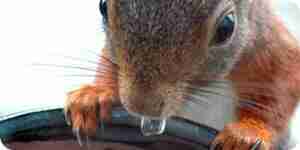
Squirrels have an insatiable appetite for nuts, acorns, and certain types of tree seeds. As any avid squirrel lover will attest, their personal favorite treat is a roasted peanut, although they will settle for raw, green peanuts as well.
Still, squirrels will forage for almost any type of nut, acorn, or seed they can find. It may be surprising to wake up one late autumn day to the sound of a squirrel perched high in a dogwood tree, chomping away on those tiny red seeds of the dogwood flower.
Squirrels are highly intelligent creatures, which means they can often become pests if they get too close to a home's gutters or roof. Inevitably, the next thing you know, they are taking up residence in the attic—hence the age-old expression, "squirrels in the attic." Squirrels feed for up to six hours a day, depending on the season. Winter is not a deterrent, either. As long as they have a nest in which to shelter on the coldest winter days or when snow prevents their movement, squirrels remain natural lovers of freedom and the outdoors.
Preparing a Squirrel Menu
To learn how to make squirrel food, simply remember their favorite things. Don't forget that they have no reservations about helping themselves to the seed in outdoor birdfeeders; squirrels can climb to amazing heights when the fancy strikes them. Use bird feeders with caps and covers if you want to ensure your feathered friends get a meal. Meanwhile, prepare a squirrel menu strategically. Although squirrels will eat just about any table scraps, it really isn't healthy for them to do so. Make squirrel food from various types of seeds, such as sunflower, pumpkin, squash, millet, rye, or soy seeds. Squirrels are actually attracted to feeding dishes that feature several different textures and sizes. Choose seeds and add texture with peanuts, acorns, apple skins and slices, dehydrated figs, dates, and raisins. This creates a squirrel mélange that is irresistible to their senses of taste and smell.
Winter Squirrel Food
It is a bit more difficult to provide food for squirrels in the winter due to freezing temperatures, but they will still be out and about foraging for a meal if they are hungry enough. Locate the squirrel feeding area away from the house, and keep gutters free of the kind of debris that squirrels consider a three-course meal. Even if the gutters have protective caps, a squirrel's claws can still dig down inside for a tempting morsel if the desire is overwhelming or the cold weather hasn't provided enough sustenance. Try using a bit of suet with the nuts, seeds, and dehydrated fruits; the suet will help keep the combined ingredients from scattering in the wind.
How to Make Squirrel Food
Learn how to prepare a healthy and enticing homemade food mix for backyard squirrels while keeping them away from your home and birdfeeders.
Squirrels Love Peanuts
Squirrels have an insatiable appetite for nuts, acorns, and certain types of tree seeds. As any avid squirrel lover will attest, their personal favorite treat is a roasted peanut, although they will settle for raw, green peanuts as well.
Still, squirrels will forage for almost any type of nut, acorn, or seed they can find. It may be surprising to wake up one late autumn day to the sound of a squirrel perched high in a dogwood tree, chomping away on those tiny red seeds of the dogwood flower.
Squirrels are highly intelligent creatures, which means they can often become pests if they get too close to a home's gutters or roof. Inevitably, the next thing you know, they are taking up residence in the attic—hence the age-old expression, "squirrels in the attic." Squirrels feed for up to six hours a day, depending on the season. Winter is not a deterrent, either. As long as they have a nest in which to shelter on the coldest winter days or when snow prevents their movement, squirrels remain natural lovers of freedom and the outdoors.
Preparing a Squirrel Menu
To learn how to make squirrel food, simply remember their favorite things. Don't forget that they have no reservations about helping themselves to the seed in outdoor birdfeeders; squirrels can climb to amazing heights when the fancy strikes them. Use bird feeders with caps and covers if you want to ensure your feathered friends get a meal. Meanwhile, prepare a squirrel menu strategically. Although squirrels will eat just about any table scraps, it really isn't healthy for them to do so. Make squirrel food from various types of seeds, such as sunflower, pumpkin, squash, millet, rye, or soy seeds. Squirrels are actually attracted to feeding dishes that feature several different textures and sizes. Choose seeds and add texture with peanuts, acorns, apple skins and slices, dehydrated figs, dates, and raisins. This creates a squirrel melange that is irresistible to their senses of taste and smell.
Winter Squirrel Food
It is a bit more difficult to provide food for squirrels in the winter due to freezing temperatures, but they will still be out and about foraging for a meal if they are hungry enough. Locate the squirrel feeding area away from the house, and keep gutters free of the kind of debris that squirrels consider a three-course meal. Even if the gutters have protective caps, a squirrel's claws can still dig down inside for a tempting morsel if the desire is overwhelming or the cold weather hasn't provided enough sustenance. Try using a bit of suet with the nuts, seeds, and dehydrated fruits; the suet will help keep the combined ingredients from scattering in the wind.
How to Make Squirrel Food
By Howtodotips
Learn how to prepare a healthy and enticing homemade food mix for backyard squirrels while keeping them away from your home and birdfeeders.