Recognize the early physical and behavioral signs of illness in a pet guinea pig and seek timely veterinary care.
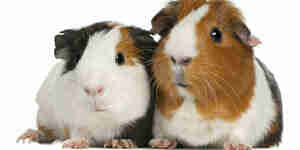
Guinea pigs rarely recover from illnesses without veterinary care. Although few people take these pets to the veterinarian because of their small size, recognizing signs of illness early and having your guinea pig seen by a veterinarian greatly improves its chances of recovery. Here is how to know if a pet guinea pig is ill:
- Check your pet's body for signs of illness. A healthy guinea pig's body feels firm and solid. Bald spots behind both ears are common, but baldness elsewhere on the body may be a sign of illness or disease. Guinea pigs often show skin issues as one of the first signs of illness, so watch for red or balding patches. This can be a sign of many different illnesses. Your guinea pig may also have fleas, which can be found with a flea comb. Mites can make your guinea pig scratch its skin until open sores develop and can be fatal to guinea pigs because of their small size. If you see these types of symptoms, your guinea pig should visit the veterinarian immediately.
- Check the guinea pig's eyes, nose, and ears. A guinea pig's eyes should be bright and clear. Crustiness or discharge may be a sign that your pet guinea pig is ill. Any discharge in the nose can also be a sign of illness. A guinea pig walking with difficulty, or with its head held to one side, may have an ear infection.
- Check the stool. Occasionally look at your guinea pig's droppings. Diarrhea is a common sign of illness in guinea pigs. So are droppings that are watery or blocky. Feeding your guinea pig a diet of timothy hay rather than fruits and vegetables can alleviate this symptom.
- Observe the guinea pig's behavior. Illnesses often have physical as well as behavioral symptoms. Any changes in your guinea pig's daily behaviors or routine may indicate illness. Common signs include weight loss, lethargy, and difficulty breathing. These can be signs of a wide range of illnesses; the most common is scurvy, or vitamin C deficiency. Labored breathing or rattling coming from the lungs can indicate upper respiratory infections or allergies, both of which are common afflictions of pet guinea pigs.
- Track your guinea pig's eating habits. Most guinea pigs seem to be eating all the time. That is normal. If your guinea pig stops eating or drinking, it may be a sign that it is not feeling well. When guinea pigs stop eating, this can be a sign of a serious illness, and it should not be taken lightly. Guinea pigs can even develop anorexia, which must be treated by a veterinarian.
Timely treatment is essential for your pet guinea pig to survive any infection or illness. Guinea pigs may exhibit a wide range of symptoms, both behavioral and physical, when they are ill. Any changes in your pet should be investigated fully; most of these illnesses require a veterinarian visit if you want your pet guinea pig to recover.
How to Know if a Pet Guinea Pig Is Ill
Recognize the early physical and behavioral signs of illness in a pet guinea pig and seek timely veterinary care.
Guinea pigs rarely recover from illnesses without veterinary care. Although few people take these pets to the veterinarian because of their small size, recognizing signs of illness early and having your guinea pig seen by a veterinarian greatly improves its chances of recovery. Here is how to know if a pet guinea pig is ill:
- Check your pet's body for signs of illness. A healthy guinea pig's body feels firm and solid. Bald spots behind both ears are common, but baldness elsewhere on the body may be a sign of illness or disease. Guinea pigs often show skin issues as one of the first signs of illness, so watch for red or balding patches. This can be a sign of many different illnesses. Your guinea pig may also have fleas, which can be found with a flea comb. Mites can make your guinea pig scratch its skin until open sores develop and can be fatal to guinea pigs because of their small size. If you see these types of symptoms, your guinea pig should visit the veterinarian immediately.
- Check the guinea pig's eyes, nose, and ears. A guinea pig's eyes should be bright and clear. Crustiness or discharge may be a sign that your pet guinea pig is ill. Any discharge in the nose can also be a sign of illness. A guinea pig walking with difficulty, or with its head held to one side, may have an ear infection.
- Check the stool. Occasionally look at your guinea pig's droppings. Diarrhea is a common sign of illness in guinea pigs. So are droppings that are watery or blocky. Feeding your guinea pig a diet of timothy hay rather than fruits and vegetables can alleviate this symptom.
- Observe the guinea pig's behavior. Illnesses often have physical as well as behavioral symptoms. Any changes in your guinea pig's daily behaviors or routine may indicate illness. Common signs include weight loss, lethargy, and difficulty breathing. These can be signs of a wide range of illnesses; the most common is scurvy, or vitamin C deficiency. Labored breathing or rattling coming from the lungs can indicate upper respiratory infections or allergies, both of which are common afflictions of pet guinea pigs.
- Track your guinea pig's eating habits. Most guinea pigs seem to be eating all the time. That is normal. If your guinea pig stops eating or drinking, it may be a sign that it is not feeling well. When guinea pigs stop eating, this can be a sign of a serious illness, and it should not be taken lightly. Guinea pigs can even develop anorexia, which must be treated by a veterinarian.
Timely treatment is essential for your pet guinea pig to survive any infection or illness. Guinea pigs may exhibit a wide range of symptoms, both behavioral and physical, when they are ill. Any changes in your pet should be investigated fully; most of these illnesses require a veterinarian visit if you want your pet guinea pig to recover.
How to Know if a Pet Guinea Pig Is Ill
By Howtodotips
Recognize the early physical and behavioral signs of illness in a pet guinea pig and seek timely veterinary care.