Essential tips on choosing the right ski boots and finding the proper fit.
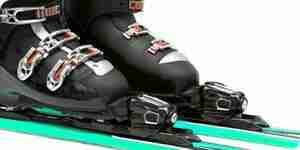
Buying ski boots can be an intimidating and expensive undertaking, but by following a few simple guidelines, the experience can be rewarding and enjoyable.
First—and this point cannot be stressed enough—you need to find a reputable ski shop with qualified, experienced bootfitters. Yes, this is a real profession, and we take it very seriously.
After all, skiing is an active sport, and the ski boot is designed to keep your feet more or less in a fixed position. These two opposing forces can cause discomfort if your boots are not properly fitted.
Not only will a qualified bootfitter be able to fit your boots properly at the time of purchase, but many shops also offer a fit guarantee and will work to adjust your ski boots after you have tried them out if any problems arise.
When you are ready to purchase boots, keep a few things in mind during the fitting process—which could take an hour or more—that will put your mind at ease and calm your nerves.
- Trust your bootfitter. Remember that your bootfitter knows what he or she is doing. They have seen many feet and have probably fixed just about every problem that can arise from improperly fitted ski boots, so trust them.
- Try on at least 3 pairs of ski boots. You should try on at least three pairs of boots—and depending on your foot shape, possibly more. Your foot shape and skiing ability will ultimately determine the boot that fits you best, not your favorite colors or the pair that matches your skis or jacket.
- NEVER BUY SKI BOOTS FOR THEIR APPEARANCE! It will undoubtedly come back to haunt you. Ski boots are made from a plastic shell around a soft, moldable liner. Feet come in many shapes, so your bootfitter will match your feet to the boots he or she feels will work best for you.
- Try a shell-fit. The first thing that should happen when you are trying on a ski boot is a shell-fit. To do this, take the liner out of the shell (often more difficult than it looks) and slide your foot (wearing a thin sock) into the plastic shell only. With the boot on the floor, slowly slide your foot forward until your toes just touch the end of the boot. With your foot in this position, reach your hand behind your heel to the space between your foot and the back of the boot; you should have no more than two fingers (about 1¼ inches) of space there. Any more than this, and the boot will be too big for you.
This is where an experienced fitter can help you. If you ski more than 40 or 50 days a year, you probably want to go smaller than a two-finger or "comfort fit" into a one-finger or "performance fit." - Put the liner back in the ski boot and try it on again. When shell sizing is complete and you try the boot and liner on together, it should feel tight on your toes, as though the boot itself is too short. THIS IS OK.
While sitting down, kick the heel of your ski boot back onto the floor a few times to settle your heel into the liner of the boot. This will pull your toes away from the front of the boot and position your foot correctly.
To buckle the boot—and yes, there is a right and a wrong way to do this—fasten the buckles by your ankles first, then the buckles on your leg. Next, stand up, flex the boot forward, and fasten the buckles around your foot. A good rule to follow is the "one finger worth of pressure" rule. This means you should not crank down hard on the buckles. The boot should be snug—like a firm handshake around your foot—with minimal pressure on the buckles.
Over-tightening the buckles can distort the plastic and alter the overall fit of the boot. Remember that a ski boot will only get bigger; the smallest it will ever be is the first time you try it on in the store. The longer you wear it and the more you ski in it, the more the liners will mold to your feet and pack out or compress, making the boot feel larger. This is why so many people complain about their ski boots: 99% of ski boot-related problems stem from the boots being too big to begin with.
If a boot is too big, your foot can move around, resulting in rubbing, chafing, and even banging against the sides of the boot. - Get into a "skiing position". When the boots are buckled properly
 , you should stand up and, keeping the boots flat on the floor, flex at the ankle and drive your knees forward into the boot. While doing this, your heel should remain snug inside the boot and not feel like it is lifting off the bottom. Keep in mind that if you try to lift your heel, you probably will be able to, but flexing your leg mimics the action of skiing, which is when the heel should be snug. If you experience a lot of lift, you need to try a boot with a narrower heel pocket.
- Assess how snug the ski boot feels. When a boot is right for your foot, it should feel snug from the top of the boot, moving down through the ankle and across the foot. Wiggling your toes is fine as long as your foot feels locked into place. It should be comfortable—not like a bedroom slipper, but not painful either—and you should not feel "hot spots" (areas of rubbing or excessive pressure).
- Get a footbed for your boot. Finally, the last part of the fit—and possibly the most important—is the footbed. The footbed is essentially a layer of foam, cork, or plastic that sits between your foot and the bottom of the ski boot liner. Off-the-shelf ski boots come with nothing more than a thin layer of felt, as manufacturers know a skilled bootfitter will replace it with a custom or (depending on your budget) semi-custom footbed.
A footbed is similar to a shoe orthotic, but it is designed to be supportive rather than corrective. The goal is to mold the footbed to the bottom of your foot so that, when shaped and trimmed to the boot, it keeps your foot in a neutral and natural position (making it much more comfortable). A footbed also increases the performance of your ski boots by transferring the movements of your legs and feet directly into the boots and, ultimately, into your skis. - Adjust your bindings! Lastly, remember to have your bindings adjusted to your new boots. There is nothing more frustrating than getting to the mountain, ready to enjoy the fresh snow underfoot or the blue skies above, only to realize your new boots won't fit into your bindings.
How to Buy Ski Boots
Essential tips on choosing the right ski boots and finding the proper fit.
Buying ski boots can be an intimidating and expensive undertaking, but by following a few simple guidelines, the experience can be rewarding and enjoyable.
First—and this point cannot be stressed enough—you need to find a reputable ski shop with qualified, experienced bootfitters. Yes, this is a real profession, and we take it very seriously.
After all, skiing is an active sport, and the ski boot is designed to keep your feet more or less in a fixed position. These two opposing forces can cause discomfort if your boots are not properly fitted.
Not only will a qualified bootfitter be able to fit your boots properly at the time of purchase, but many shops also offer a fit guarantee and will work to adjust your ski boots after you have tried them out if any problems arise.
When you are ready to purchase boots, keep a few things in mind during the fitting process—which could take an hour or more—that will put your mind at ease and calm your nerves.
- Trust your bootfitter. Remember that your bootfitter knows what he or she is doing. They have seen many feet and have probably fixed just about every problem that can arise from improperly fitted ski boots, so trust them.
- Try on at least 3 pairs of ski boots. You should try on at least three pairs of boots—and depending on your foot shape, possibly more. Your foot shape and skiing ability will ultimately determine the boot that fits you best, not your favorite colors or the pair that matches your skis or jacket.
- NEVER BUY SKI BOOTS FOR THEIR APPEARANCE! It will undoubtedly come back to haunt you. Ski boots are made from a plastic shell around a soft, moldable liner. Feet come in many shapes, so your bootfitter will match your feet to the boots he or she feels will work best for you.
- Try a shell-fit. The first thing that should happen when you are trying on a ski boot is a shell-fit. To do this, take the liner out of the shell (often more difficult than it looks) and slide your foot (wearing a thin sock) into the plastic shell only. With the boot on the floor, slowly slide your foot forward until your toes just touch the end of the boot. With your foot in this position, reach your hand behind your heel to the space between your foot and the back of the boot; you should have no more than two fingers (about 1¼ inches) of space there. Any more than this, and the boot will be too big for you.
This is where an experienced fitter can help you. If you ski more than 40 or 50 days a year, you probably want to go smaller than a two-finger or "comfort fit" into a one-finger or "performance fit." - Put the liner back in the ski boot and try it on again. When shell sizing is complete and you try the boot and liner on together, it should feel tight on your toes, as though the boot itself is too short. THIS IS OK.
While sitting down, kick the heel of your ski boot back onto the floor a few times to settle your heel into the liner of the boot. This will pull your toes away from the front of the boot and position your foot correctly.
To buckle the boot—and yes, there is a right and a wrong way to do this—fasten the buckles by your ankles first, then the buckles on your leg. Next, stand up, flex the boot forward, and fasten the buckles around your foot. A good rule to follow is the "one finger worth of pressure" rule. This means you should not crank down hard on the buckles. The boot should be snug—like a firm handshake around your foot—with minimal pressure on the buckles.
Over-tightening the buckles can distort the plastic and alter the overall fit of the boot. Remember that a ski boot will only get bigger; the smallest it will ever be is the first time you try it on in the store. The longer you wear it and the more you ski in it, the more the liners will mold to your feet and pack out or compress, making the boot feel larger. This is why so many people complain about their ski boots: 99% of ski boot-related problems stem from the boots being too big to begin with.
If a boot is too big, your foot can move around, resulting in rubbing, chafing, and even banging against the sides of the boot. - Get into a "skiing position". When the boots are buckled properly , you should stand up and, keeping the boots flat on the floor, flex at the ankle and drive your knees forward into the boot. While doing this, your heel should remain snug inside the boot and not feel like it is lifting off the bottom. Keep in mind that if you try to lift your heel, you probably will be able to, but flexing your leg mimics the action of skiing, which is when the heel should be snug. If you experience a lot of lift, you need to try a boot with a narrower heel pocket.
- Assess how snug the ski boot feels. When a boot is right for your foot, it should feel snug from the top of the boot, moving down through the ankle and across the foot. Wiggling your toes is fine as long as your foot feels locked into place. It should be comfortable—not like a bedroom slipper, but not painful either—and you should not feel "hot spots" (areas of rubbing or excessive pressure).
- Get a footbed for your boot. Finally, the last part of the fit—and possibly the most important—is the footbed. The footbed is essentially a layer of foam, cork, or plastic that sits between your foot and the bottom of the ski boot liner. Off-the-shelf ski boots come with nothing more than a thin layer of felt, as manufacturers know a skilled bootfitter will replace it with a custom or (depending on your budget) semi-custom footbed.
A footbed is similar to a shoe orthotic, but it is designed to be supportive rather than corrective. The goal is to mold the footbed to the bottom of your foot so that, when shaped and trimmed to the boot, it keeps your foot in a neutral and natural position (making it much more comfortable). A footbed also increases the performance of your ski boots by transferring the movements of your legs and feet directly into the boots and, ultimately, into your skis. - Adjust your bindings! Lastly, remember to have your bindings adjusted to your new boots. There is nothing more frustrating than getting to the mountain, ready to enjoy the fresh snow underfoot or the blue skies above, only to realize your new boots won't fit into your bindings.
How to Buy Ski Boots
By Howtodotips
Essential tips on choosing the right ski boots and finding the proper fit.