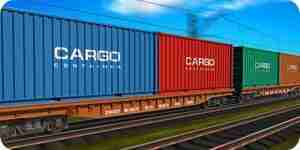
A cargo container is a large container for freight. Cargo containers can be loaded onto container ships, planes, railroad cars, and trucks. Most cargo containers today are 40 ft., and they are used to carry just about anything—from cotton to meat to toys.
- Assess the type of goods you are transporting. The goods you need to ship will most likely fall under one of three categories: refrigerated cargo, dry cargo, and dangerous and hazardous cargo.
- Refrigerated cargo includes such items as seafood, fruit, vegetables, and poultry. Refrigerated cargo containers are equipped with a special refrigeration unit that can be set to a specific temperature for a desired duration. Refrigerated cargo containers can even be set cold enough to ship ice.
- Dry cargo containers that are used to transport items such as clothing, lumber, computers, and toys are called bulktainers.
- Dangerous and hazardous cargo includes chemical-based and/or flammable goods, such as liquefied compressed gases, liquefied petroleum gas, ammonia, and pharmaceuticals. Steel drums, plastic drums, tanks, gas bottles, and intermediate bulk containers are used to transport goods deemed dangerous.
- Calculate the quantity of cargo that needs transporting. Now, depending on the quantity, decide which size containers would best suit your needs. The lengths of most cargo containers are 10 ft., 20 ft., 30 ft., 40 ft., 45 ft., 48 ft., and 53 ft. Containers that are 20 ft. and 40 ft. in length are commonly used in ocean freight. The standard width of these containers is 8 ft., while the standard height is 8.5 ft. Containers are also available as half-height (approx. 4.3 ft.) or as high-cube (9.5 ft.). Be sure that the weight of the cargo does not exceed the containers' rating, which is the maximum permissible weight of a container plus its contents.
- Choose the container type. Now that you have determined the types of goods you need to transport and the quantity that needs transporting, it's time to take a look at the options available. Factors to consider in choosing a cargo container include cost and the convenience of loading and unloading cargo. The following is a list of commonly used cargo containers from which you can choose:
- Dry Van (standard height): Completely enclosed weatherproof container.
- Dry Van (high cube): Adds an additional foot to the typical interior height of containers.
- Dry Van (half-height): Reduced height container. This is typically more favorable because of reduced rates.
- Open-Top Container: A container with a fitted removable roof, or a tarpaulin roof, so the container can be loaded or unloaded from the top.
- Open-Side Container: Open-sided containers that have end bulkheads. When the side panels are empty, they can be folded down.
- Side-Door Container: A container fitted with a rear door and a minimum of one side door.
- Refrigerated Container: A container with a refrigeration unit.
- Auto Rack: A specialized piece of railroad rolling stock used to transport automobiles from factories to dealerships.
- Flat Rack: A flatbed with fixed ends for the transportation of cargo of excessive width and weight.
- Bulktainer: Any container used to transport dry goods.
- Tank: A container, typically large and metallic, used to transport liquid goods.
- Gas Bottle: Cylindrical container used to transport gas.
- Swapbody: A container equipped with adjustable support legs that allow the container to be loaded onto the vehicle quickly and easily.
- Ensure that the cargo containers you decide to use meet all federal and international regulations. Containers should be properly labeled and have proper documentation. Especially tight restrictions are in place concerning the transportation of hazardous and dangerous cargo. There are numerous laws regulating the carriage of cargo on state, federal, and international levels. Laws are also specific to the type of cargo carried. The Internet is an excellent resource for looking up laws that pertain to the cargo you are transporting.
Choose a Cargo Container
Choose a Cargo Container : Multi-thousand tips to make your life easier.
A cargo container is a large container for freight. Cargo containers can be loaded onto container ships, planes, railroad cars, and trucks. Most cargo containers today are 40 ft., and they are used to carry just about anything—from cotton to meat to toys.
- Assess the type of goods you are transporting. The goods you need to ship will most likely fall under one of three categories: refrigerated cargo, dry cargo, and dangerous and hazardous cargo.
- Refrigerated cargo includes such items as seafood, fruit, vegetables, and poultry. Refrigerated cargo containers are equipped with a special refrigeration unit that can be set to a specific temperature for a desired duration. Refrigerated cargo containers can even be set cold enough to ship ice.
- Dry cargo containers that are used to transport items such as clothing, lumber, computers, and toys are called bulktainers.
- Dangerous and hazardous cargo includes chemical-based and/or flammable goods, such as liquefied compressed gases, liquefied petroleum gas, ammonia, and pharmaceuticals. Steel drums, plastic drums, tanks, gas bottles, and intermediate bulk containers are used to transport goods deemed dangerous.
- Calculate the quantity of cargo that needs transporting. Now, depending on the quantity, decide which size containers would best suit your needs. The lengths of most cargo containers are 10 ft., 20 ft., 30 ft., 40 ft., 45 ft., 48 ft., and 53 ft. Containers that are 20 ft. and 40 ft. in length are commonly used in ocean freight. The standard width of these containers is 8 ft., while the standard height is 8.5 ft. Containers are also available as half-height (approx. 4.3 ft.) or as high-cube (9.5 ft.). Be sure that the weight of the cargo does not exceed the containers' rating, which is the maximum permissible weight of a container plus its contents.
- Choose the container type. Now that you have determined the types of goods you need to transport and the quantity that needs transporting, it's time to take a look at the options available. Factors to consider in choosing a cargo container include cost and the convenience of loading and unloading cargo. The following is a list of commonly used cargo containers from which you can choose:
- Dry Van (standard height): Completely enclosed weatherproof container.
- Dry Van (high cube): Adds an additional foot to the typical interior height of containers.
- Dry Van (half-height): Reduced height container. This is typically more favorable because of reduced rates.
- Open-Top Container: A container with a fitted removable roof, or a tarpaulin roof, so the container can be loaded or unloaded from the top.
- Open-Side Container: Open-sided containers that have end bulkheads. When the side panels are empty, they can be folded down.
- Side-Door Container: A container fitted with a rear door and a minimum of one side door.
- Refrigerated Container: A container with a refrigeration unit.
- Auto Rack: A specialized piece of railroad rolling stock used to transport automobiles from factories to dealerships.
- Flat Rack: A flatbed with fixed ends for the transportation of cargo of excessive width and weight.
- Bulktainer: Any container used to transport dry goods.
- Tank: A container, typically large and metallic, used to transport liquid goods.
- Gas Bottle: Cylindrical container used to transport gas.
- Swapbody: A container equipped with adjustable support legs that allow the container to be loaded onto the vehicle quickly and easily.
- Ensure that the cargo containers you decide to use meet all federal and international regulations. Containers should be properly labeled and have proper documentation. Especially tight restrictions are in place concerning the transportation of hazardous and dangerous cargo. There are numerous laws regulating the carriage of cargo on state, federal, and international levels. Laws are also specific to the type of cargo carried. The Internet is an excellent resource for looking up laws that pertain to the cargo you are transporting.