Discover why the standard eight-glasses-a-day rule is not one-size-fits-all, and learn the essential benefits of staying properly hydrated.
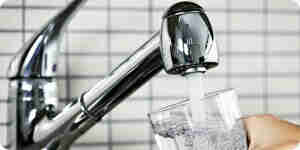
It has long been believed that approximately 8 glasses of water per day is sufficient for each individual. That is a good benchmark, but the recommended amount of water you should really drink depends on other factors, such as climate and lifestyle as well.
If the weather is hotter, if you exercise more often, if you live in a dry climate, if you're traveling by air, or if you're pregnant, you should definitely drink more than just 8 glasses a day.
- Do not replace water with coffee or tea, as both drinks contain caffeine, and caffeine causes your body to lose fluid. Avoid caffeinated drinks, especially before exercising or participating in other dehydrating activities.
- Sugary drinks such as smoothies and juices are high in calories compared to zero-calorie water. In addition, they may put you at a higher risk for tooth decay.
- Not drinking enough water causes bad breath. Popping mints may help, but since water cleanses your system, you should make it a habit to drink enough.
- The suggested amount above should help you maintain your kidneys' health. A major reason for kidney stones is a lack of water intake—and kidney stones are painful!
- Most people avoid drinking water because it is rumored to cause bloating. On the contrary, drinking more water helps your body flush out excess sodium, which is the real cause of the bloated feeling. Women should drink more during menstruation.
- Pick tap water over bottled water if you can. The benefit of tap water is that it contains fluoride, which helps prevent tooth decay. However, you must be sure the tap water is safe to drink before diving in. Check with your local water supplier to find out.
- In most towns and cities in the U.S., tap water is safe to drink. Use a water filter (e.g., Brita, PUR, etc.) or boil it before drinking if you must. Boiling will definitely kill most waterborne bacteria.
- When traveling in other countries, avoid drinking tap water by all means unless you are certain that it is safe. Be extremely cautious in countries such as Mexico and India.
- If you need to increase your water intake but despise the bland taste of water, add some zing to it by squeezing fresh lemon or orange juice into your water. During summer days, add slices of lemons, oranges, and strawberries into an ice-cold jug of water. It's a crisp and refreshing way to enjoy this healthy beverage.
Benefits of Drinking Water
Discover why the standard eight-glasses-a-day rule is not one-size-fits-all, and learn the essential benefits of staying properly hydrated.
It has long been believed that approximately 8 glasses of water per day is sufficient for each individual. That is a good benchmark, but the recommended amount of water you should really drink depends on other factors, such as climate and lifestyle as well.
If the weather is hotter, if you exercise more often, if you live in a dry climate, if you're traveling by air, or if you're pregnant, you should definitely drink more than just 8 glasses a day.
- Do not replace water with coffee or tea, as both drinks contain caffeine, and caffeine causes your body to lose fluid. Avoid caffeinated drinks, especially before exercising or participating in other dehydrating activities.
- Sugary drinks such as smoothies and juices are high in calories compared to zero-calorie water. In addition, they may put you at a higher risk for tooth decay.
- Not drinking enough water causes bad breath. Popping mints may help, but since water cleanses your system, you should make it a habit to drink enough.
- The suggested amount above should help you maintain your kidneys' health. A major reason for kidney stones is a lack of water intake—and kidney stones are painful!
- Most people avoid drinking water because it is rumored to cause bloating. On the contrary, drinking more water helps your body flush out excess sodium, which is the real cause of the bloated feeling. Women should drink more during menstruation.
- Pick tap water over bottled water if you can. The benefit of tap water is that it contains fluoride, which helps prevent tooth decay. However, you must be sure the tap water is safe to drink before diving in. Check with your local water supplier to find out.
- In most towns and cities in the U.S., tap water is safe to drink. Use a water filter (e.g., Brita, PUR, etc.) or boil it before drinking if you must. Boiling will definitely kill most waterborne bacteria.
- When traveling in other countries, avoid drinking tap water by all means unless you are certain that it is safe. Be extremely cautious in countries such as Mexico and India.
- If you need to increase your water intake but despise the bland taste of water, add some zing to it by squeezing fresh lemon or orange juice into your water. During summer days, add slices of lemons, oranges, and strawberries into an ice-cold jug of water. It's a crisp and refreshing way to enjoy this healthy beverage.
Benefits of Drinking Water
By Howtodotips
Discover why the standard eight-glasses-a-day rule is not one-size-fits-all, and learn the essential benefits of staying properly hydrated.