Learn the traditional steps and materials required to craft and wear a authentic Tibetan Buddhist robe, including the inner waistcloth and outer layers.
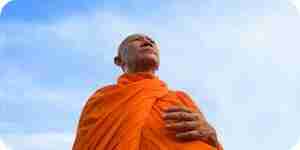
The Tibetan Buddhist robe is actually a set of three garments that include a single-layer inner cloak worn beneath a double-layer outer robe. Creating these robes involves specific traditional steps. If you want to make a Tibetan Buddhist robe, follow these instructions.
Materials:
- Cloth remnants made of linen, cotton, silk, wool, hemp, or canvas
- Needle
- Thread
- Choose the cloth. Tibetan robes cannot be made from a single piece of cloth, as this would indicate wealth. Instead, you should begin with several pieces or remnants of the same fabric. Robes are often yellow for the under layer and red for the outer layer, though there are some regional variations in color.
- Make the waistcloth. The waistcloth is similar in appearance to a skirt and hangs from the waist to the knees, often made of yellow cloth. Using a needle and thread, hand-sew the cloth remnants into a loose-fitting waistcloth with a flat waistband. The bottom of the waistcloth should be even all the way around.
- Make the upper and outer robes. The upper and outer robes are constructed in the same manner. The outer robe serves as a third layer in colder climates. Assemble pieces of fabric to create a rectangular shape measuring six feet by nine feet. You will need two of these rectangles.
- Dye the fabric. In most cases, you will not be able to find remnants of the same fabric in the proper color, so you will need to dye the fabric for the outer robes instead. Obtain a natural dye in the reddish-brown, almost rust shade, which is made from roots, bark, flowers, leaves, and fruits. Boil the dye ingredients in water, then soak the fabric until the dye sets. Rinse with cold water.
- Wear the robes. To appreciate the majesty of Tibetan robes, they must be worn properly. First, put on the waistcloth. Next, add the upper robe. To wear the upper robe, wrap it around the body and shoulders. Join the top two corners together, roll the edges together, and hold the roll tightly in one hand. Then, push the roll over one shoulder and down the back. Pull the roll under the armpit on that same side and press down with your arm. Next, separate the roll in front so that the other arm can pass between the folds. When using the outer robe as well, it is easiest to place the upper and outer robes together before following the steps to wrap them around the body.
These instructions for making a Tibetan Buddhist robe also outline the most common way to wear them. There are several other ways to wear the robes, which are often related to the specific community and monastery to which a monk belongs. Using these instructions, you can successfully make the robe.
How to Make a Tibetan Buddhist Robe
Learn the traditional steps and materials required to craft and wear a authentic Tibetan Buddhist robe, including the inner waistcloth and outer layers.
The Tibetan Buddhist robe is actually a set of three garments that include a single-layer inner cloak worn beneath a double-layer outer robe. Creating these robes involves specific traditional steps. If you want to make a Tibetan Buddhist robe, follow these instructions.
Materials:
- Cloth remnants made of linen, cotton, silk, wool, hemp, or canvas
- Needle
- Thread
- Choose the cloth. Tibetan robes cannot be made from a single piece of cloth, as this would indicate wealth. Instead, you should begin with several pieces or remnants of the same fabric. Robes are often yellow for the under layer and red for the outer layer, though there are some regional variations in color.
- Make the waistcloth. The waistcloth is similar in appearance to a skirt and hangs from the waist to the knees, often made of yellow cloth. Using a needle and thread, hand-sew the cloth remnants into a loose-fitting waistcloth with a flat waistband. The bottom of the waistcloth should be even all the way around.
- Make the upper and outer robes. The upper and outer robes are constructed in the same manner. The outer robe serves as a third layer in colder climates. Assemble pieces of fabric to create a rectangular shape measuring six feet by nine feet. You will need two of these rectangles.
- Dye the fabric. In most cases, you will not be able to find remnants of the same fabric in the proper color, so you will need to dye the fabric for the outer robes instead. Obtain a natural dye in the reddish-brown, almost rust shade, which is made from roots, bark, flowers, leaves, and fruits. Boil the dye ingredients in water, then soak the fabric until the dye sets. Rinse with cold water.
- Wear the robes. To appreciate the majesty of Tibetan robes, they must be worn properly. First, put on the waistcloth. Next, add the upper robe. To wear the upper robe, wrap it around the body and shoulders. Join the top two corners together, roll the edges together, and hold the roll tightly in one hand. Then, push the roll over one shoulder and down the back. Pull the roll under the armpit on that same side and press down with your arm. Next, separate the roll in front so that the other arm can pass between the folds. When using the outer robe as well, it is easiest to place the upper and outer robes together before following the steps to wrap them around the body.
These instructions for making a Tibetan Buddhist robe also outline the most common way to wear them. There are several other ways to wear the robes, which are often related to the specific community and monastery to which a monk belongs. Using these instructions, you can successfully make the robe.
How to Make a Tibetan Buddhist Robe
By Howtodotips
Learn the traditional steps and materials required to craft and wear a authentic Tibetan Buddhist robe, including the inner waistcloth and outer layers.