A step-by-step guide on how to accurately balance a cash register till, reconcile daily transactions, and ensure financial accuracy for your business.
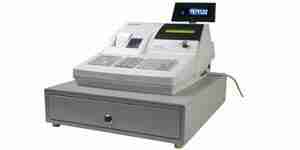
Businesses and stores use cash registers to hold cash and keep track of sales, and it is important to secure these registers against theft and miscalculation. Balancing the cash register and checking the till's cash amount for the shift or day is essential for properly tracking the revenue your outlet or department is earning.
Whether you are a cashier finishing your shift or balancing the cash register at the end of the day, you must ensure that your assets are calculated correctly in a secure location away from prying eyes.
What you need:
- Cash register
- Calculator
- Reconciliation sheet or any necessary paperwork
- Pen or pencil
1. Remove the cash register till
After your shift or after closing hours, "ring out" and take the cash register drawer to a secure location. The register contains the money your store has earned, so counting its contents and preparing the financial report should be done somewhere private.
2. Total the transaction documents
Collect and record all transaction documents (e.g., receipts, credit card slips, coupons) so they can be compared and reconciled with the cash in the register drawer. If you use a computerized cash register system, run a cash report indicating how much money was generated during the shift or day. Be sure to list cash and credit card transactions separately when adding the sale totals. After obtaining the register's balance for the day, write down the figure on your paperwork.
3. Count the money
Take the money out of the till and count the amounts, including any additional cash transactions that took place during the shift or day. For added accuracy, you can use a calculator. List the amounts according to type (e.g., cash, checks, coupons). After calculating the totals, write down the individual amounts and the grand total on your paperwork.
4. Compare amounts
Compare your total sales for the day with the amount you counted. If the amounts match, your calculations are accurate, and there are no discrepancies with the shift or day's earnings. However, double-check just in case. If there is a difference between the amounts, investigate and try to resolve the problem, and make a note of it for future reference.
5. Settle the day's amount
This step is for calculating the cash amounts at the end of the day. Take the register's starting balance from the previous night and subtract that amount from today's grand total. The resulting figure should equal today's cash sales. If both numbers match, your cash register till is balanced and the transactions are accurate. Finally, fill out the rest of the paperwork accordingly.
Make sure your cash calculations are accurate so you can properly assess your earnings and sales. Having this precise information ensures that your outlet or department will not suffer from financial discrepancies or fraud.
How to Balance a Cash Register's Till
A step-by-step guide on how to accurately balance a cash register till, reconcile daily transactions, and ensure financial accuracy for your business.
Businesses and stores use cash registers to hold cash and keep track of sales, and it is important to secure these registers against theft and miscalculation. Balancing the cash register and checking the till's cash amount for the shift or day is essential for properly tracking the revenue your outlet or department is earning.
Whether you are a cashier finishing your shift or balancing the cash register at the end of the day, you must ensure that your assets are calculated correctly in a secure location away from prying eyes.
What you need:
- Cash register
- Calculator
- Reconciliation sheet or any necessary paperwork
- Pen or pencil
1. Remove the cash register till
After your shift or after closing hours, "ring out" and take the cash register drawer to a secure location. The register contains the money your store has earned, so counting its contents and preparing the financial report should be done somewhere private.
2. Total the transaction documents
Collect and record all transaction documents (e.g., receipts, credit card slips, coupons) so they can be compared and reconciled with the cash in the register drawer. If you use a computerized cash register system, run a cash report indicating how much money was generated during the shift or day. Be sure to list cash and credit card transactions separately when adding the sale totals. After obtaining the register's balance for the day, write down the figure on your paperwork.
3. Count the money
Take the money out of the till and count the amounts, including any additional cash transactions that took place during the shift or day. For added accuracy, you can use a calculator. List the amounts according to type (e.g., cash, checks, coupons). After calculating the totals, write down the individual amounts and the grand total on your paperwork.
4. Compare amounts
Compare your total sales for the day with the amount you counted. If the amounts match, your calculations are accurate, and there are no discrepancies with the shift or day's earnings. However, double-check just in case. If there is a difference between the amounts, investigate and try to resolve the problem, and make a note of it for future reference.
5. Settle the day's amount
This step is for calculating the cash amounts at the end of the day. Take the register's starting balance from the previous night and subtract that amount from today's grand total. The resulting figure should equal today's cash sales. If both numbers match, your cash register till is balanced and the transactions are accurate. Finally, fill out the rest of the paperwork accordingly.
Make sure your cash calculations are accurate so you can properly assess your earnings and sales. Having this precise information ensures that your outlet or department will not suffer from financial discrepancies or fraud.
How to Balance a Cash Register's Till
By Howtodotips
A step-by-step guide on how to accurately balance a cash register till, reconcile daily transactions, and ensure financial accuracy for your business.